Fading Away is Impossible

A poem about wanting to disappear—and realizing why we cannot.

__________________

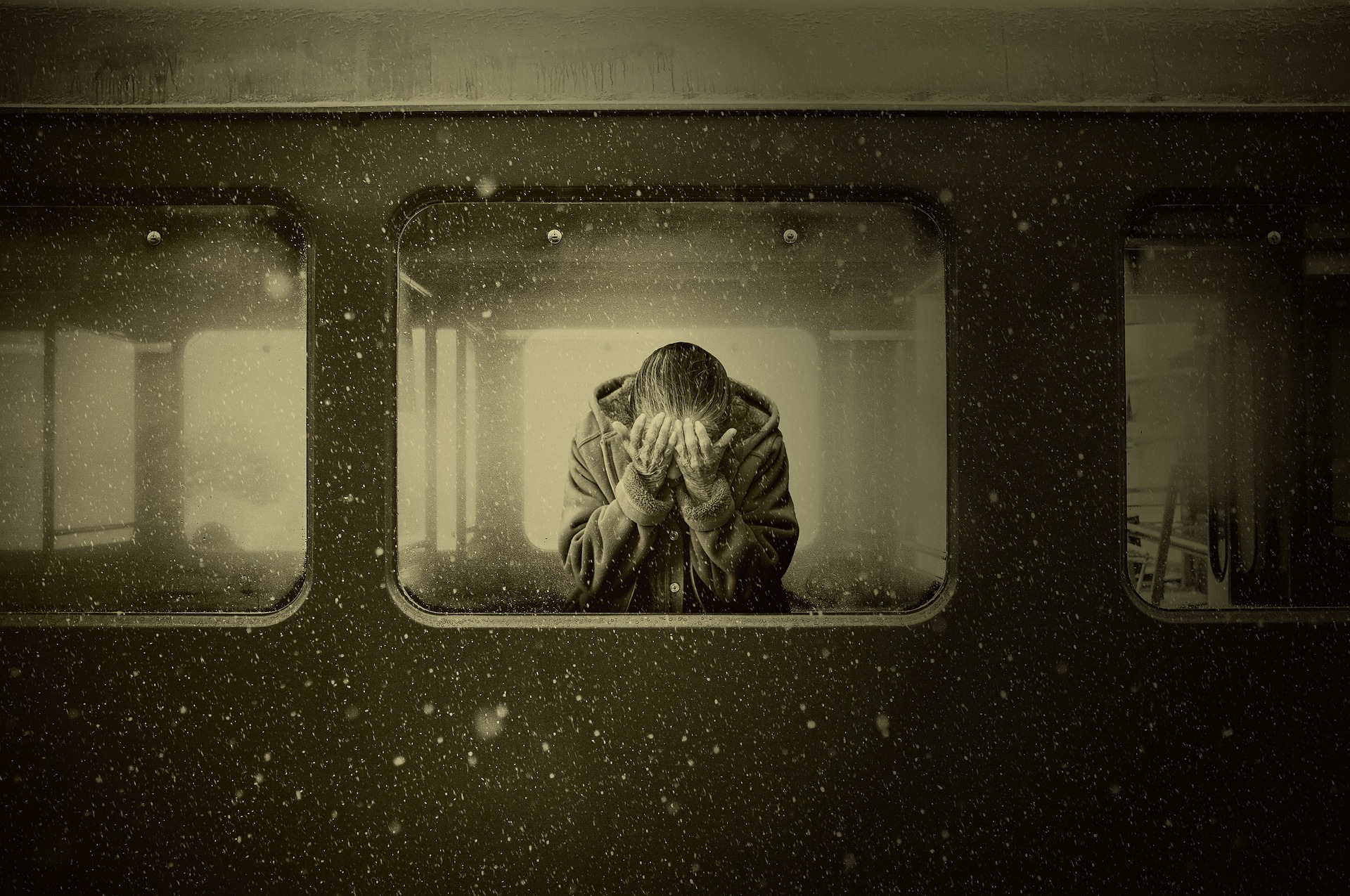
Sometimes I wish I could just fade away,

leaving behind no memory, not even a trace

Sometimes I wish I could remove myself,

from this stupid illusion of life and space

__________________

There are a million colors in the world;

one black less, and it won’t make any difference

There are a billion stars in the dark night sky,

one going dark won’t make any difference

__________________

What am I in this complicated puzzle?

A minute piece of desire, and nothing else

What am I in this mine of diamonds?

A small piece of black coal, and nothing else

__________________

Leaving would be perfect – a final solution,

to the conflict between desire and reality

Leaving would be beautiful – a final touch,

to a trashy abstract painting that I see

__________________

Fading is simple, and leaving no trace is impossible;

removal is easy, and leaving no memory is hard

What to do and what not to do? It’s a dilemma

But I have to play it, it’s my final card

The Eternal Hitchhiker

A cosmic fable of kindness, exhaustion, and the price of wandering.

____________________________

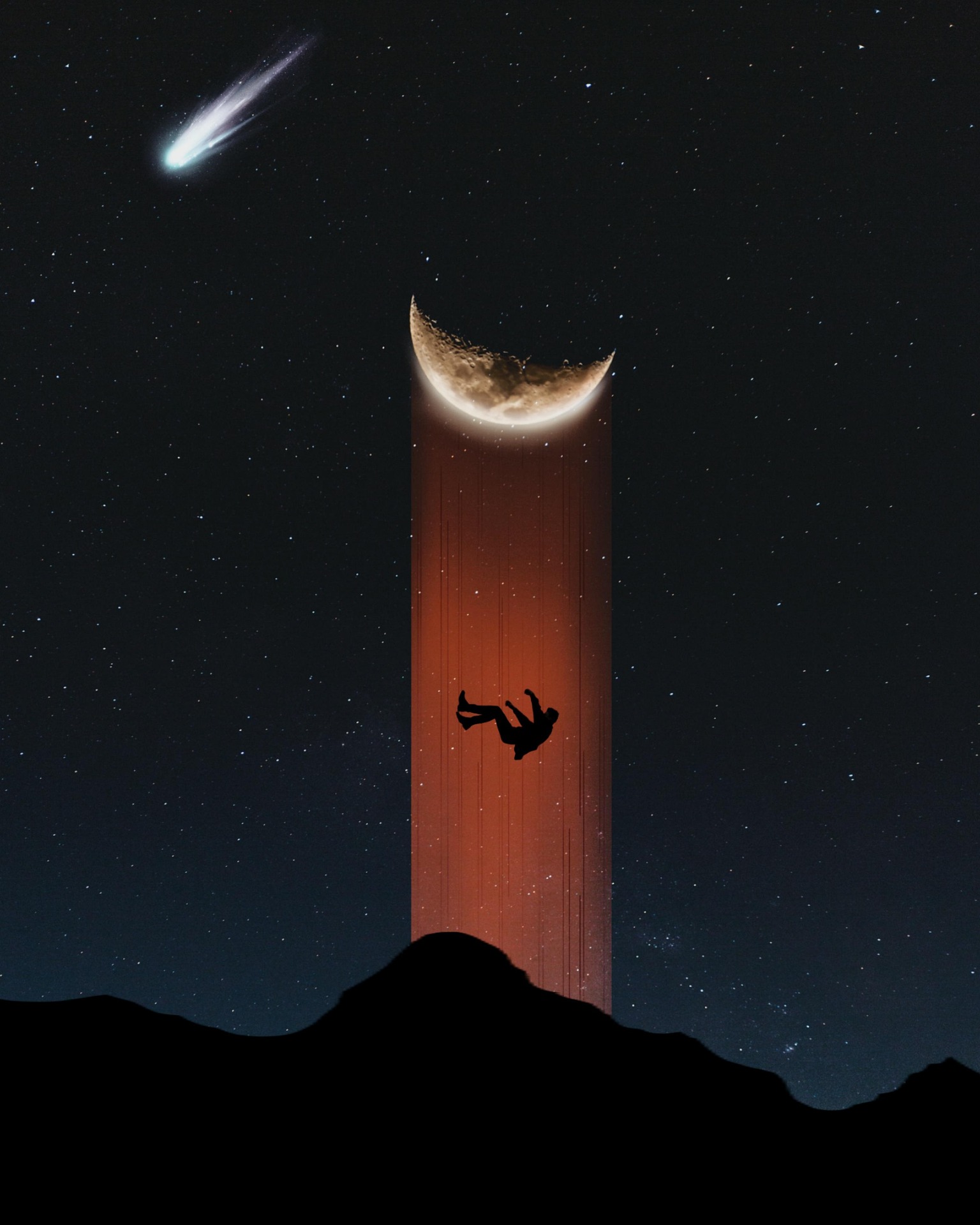
People call him the eternal hitchhiker;

he hitchhikes rides on the shooting stars

Hoping to reach some peaceful planet,

away from the chaos and the raging wars

But each time he hitches a ride,

he pays a certain heavy price

He pays it with a piece of his heart,

each time, sadly, an odd roll of the dice

____________________________

People call him the eternal hitchhiker;

he hitchhikes rides on the shooting stars

Hoping to find light, joy, and happiness,

within the darkness that kills and scars

But each time he hitches a ride,

he realizes what has always been clear

He can give happiness - anytime to anyone,

but to be unhappy forever is his only fear

____________________________

People call him the eternal hitchhiker;

he hitchhikes rides on the shooting stars

Hoping to finally rest and laugh aloud,

amongst the butterflies and a million flowers

But each time he hitches a ride,

his dreams are burnt and turn into cinders

It’s time to stop hitching rides forever;

it’s time to finally sleep in the eternal winters

The Anatomy of Self-deception

What if the love you feel isn’t real, the path you’re walking doesn’t exist, and admitting you’re lost is the only way to stop being damned?

A brutally honest poem exploring the dangerous habit of self-deception in matters of love and life purpose.


Sometimes, love doesn’t need words,

the essence breathes in a shy, fragrant smile

But then, you see what you want to see,

from up close, even when away by a mile

Sometimes, there is and was no love at all,

and assumptions sweeten the taste of bile


Sometimes, you do not even need love,

yet you convince yourself, it is needed

But then, you’re habitual of creating needs,

in places where life itself has conceded

Sometimes, love as a concept is not logical at all,

yet your counsel to yourself remains unheeded


Sometimes, you focus on one, losing yourself,

everything becomes one with no space for you

But then, there was never meant to be a you,

you become a falsity, and the other becomes true

Sometimes, your focus just brings more pain,

yet you focus on, as though you have no clue


Sometimes, you are not walking any path at all,

there was never a start, and no destination

But then, you walk on as though it’s the last path,

as though in walking, there lies your salvation

Sometimes, you are just as lost as you always were,

yet you fail to admit, making it your true damnation

Where is My Home?

“A gypsy searching for a forsaken tribe, a vagabond cursed to wander—this is the cry of everyone who’s ever felt they don’t belong.” A haunting, repetitive verse exploring the deep human need for belonging through the metaphor of homelessness—both physical and spiritual. The poem’s refrain “Where is my home and where I am going to sleep?” echoes through various landscapes—deserts, wastelands, bustling towns, and silent valleys—as the narrator confronts regret, shame, desire, guilt, and lost faith.

___________________________________________________

Where is my home, and where am I going to sleep?

What have I sown and how am I going to reap?

Do I find it in the blistering and thirsty wilderness,

me and my regretful tears, in all bitterness?

Or is it in the blindingly white and icy wastelands,

me and my shame, my trembling and shaking hands?

___________________________________________________

Where is my home, and where am I going to sleep?

What have I sown and how am I going to reap?

Do I find it in the bustling and noisy towns,

me and desires, lust, and greed wearing their thorny crowns?

Or is it in the vast and silent valleys,

my faith and I, destined to walk in separate alleys?

___________________________________________________

Where is my home, and where am I going to sleep?

What have I sown and how am I going to reap?

Do I find it near the Tomb of the Lonely Saint,

me and my deceit, friends and partners, yet quaint?

Or is it shrouded within the ashes of a dead volcano,

me and my guilt, my arch nemesis, as we know?

___________________________________________________

Where is my home, and where am I going to sleep?

What have I sown and how am I going to reap?

I am a gypsy in search of my long-forsaken tribe,

without my people, I am dead, as written by the scribe

I am a vagabond at heart, forever lost and eternally cursed,

though in case of self-hatred, I am quite well-versed

The King Who Wears a Crown of Frost

Introduction

A haunting contemplative poem exploring the universal human experience of loss and its profound impact on our existence. Through vivid imagery of a mythical King who rules over all lost things from his frost-crowned throne, this introspective piece examines how loss shapes identity and the hidden wisdom that emerges from pain. The poem delves into existential questions about where lost loves, dreams, and parts of ourselves go, creating a powerful metaphor of an island kingdom built from collective human grief. A thought-provoking exploration of sorrow’s transformative power and the bitter fruit of understanding that grows from life’s inevitable losses.

_________________________________________________________________

So many things are lost, almost every day;

a child may lose a toy, or an adult, his heart

We may misplace ourselves if we go astray;

if our choices in love are not very smart

_________________________________________________________________

We lose what we love, what we hold dear;

we lose what we hate, what we so despise

No criteria - we may lose a smile or a tear;

we may lose our madness or what makes us wise

_________________________________________________________________

We lose so much; our lives are tainted by loss;

wretched beings with their backs all stooped

We lose so much, we are defined by our loss;

garlands of failure, our tragedies all looped

_________________________________________________________________

Where do all these lost things go, once gone?

This is the very thought that makes me curious

Do they cease to exist beyond their last dawn?

Do they become shadows, silent yet furious?

_________________________________________________________________

Perhaps there is a dark island, far, far away;

filled with deep sorrow, it is eternally cursed

A sea of knowledge, all silent and grey;

pulsing with regret, an unquenched thirst

_________________________________________________________________

On that island, there is a colossal hall of grief;

therein weeps a King, wearing his crown of frost

His legacy is so vast, and yet he fears no thief;

his, is the treasure of all that has ever been lost

_________________________________________________________________

He laments not the loss, yet his tears are true;

he mourns the tragedy of loss, dying in vain

Loss is a tree that bears fruit, if only we knew;

the fruit of wisdom, rotten and bitter with pain