Dear friend and venerable nemesis. Loathsome darling and arch enemy. Loyal savior and ruthless killer—a poem about being in love with the depression that’s destroying me.
Oh, where are you when I need you the most?
My dear friend, my venerable nemesis
You are wrapped in the dark grey shadows,
as silent as the chasms within the deep crevasses
I need to hear your poisonous whispers,
I need to go down, feeling your cold caresses
Oh, where are you when I desire you the most?
My archenemy, my loathsome darling
You are standing at guard within my heart,
a coiled dragon — ferocious and snarling
I need to be blasted by your icy fire,
I need to be ashes, a charred grey starling
Oh, where are you when I abandon the world?
My promised comrade, my sworn foe
You walk along with me on the path of life,
a dead man walking and his faded shadow
I need to walk till exhaustion kills me,
I need to feel the pain — the sting of a black widow
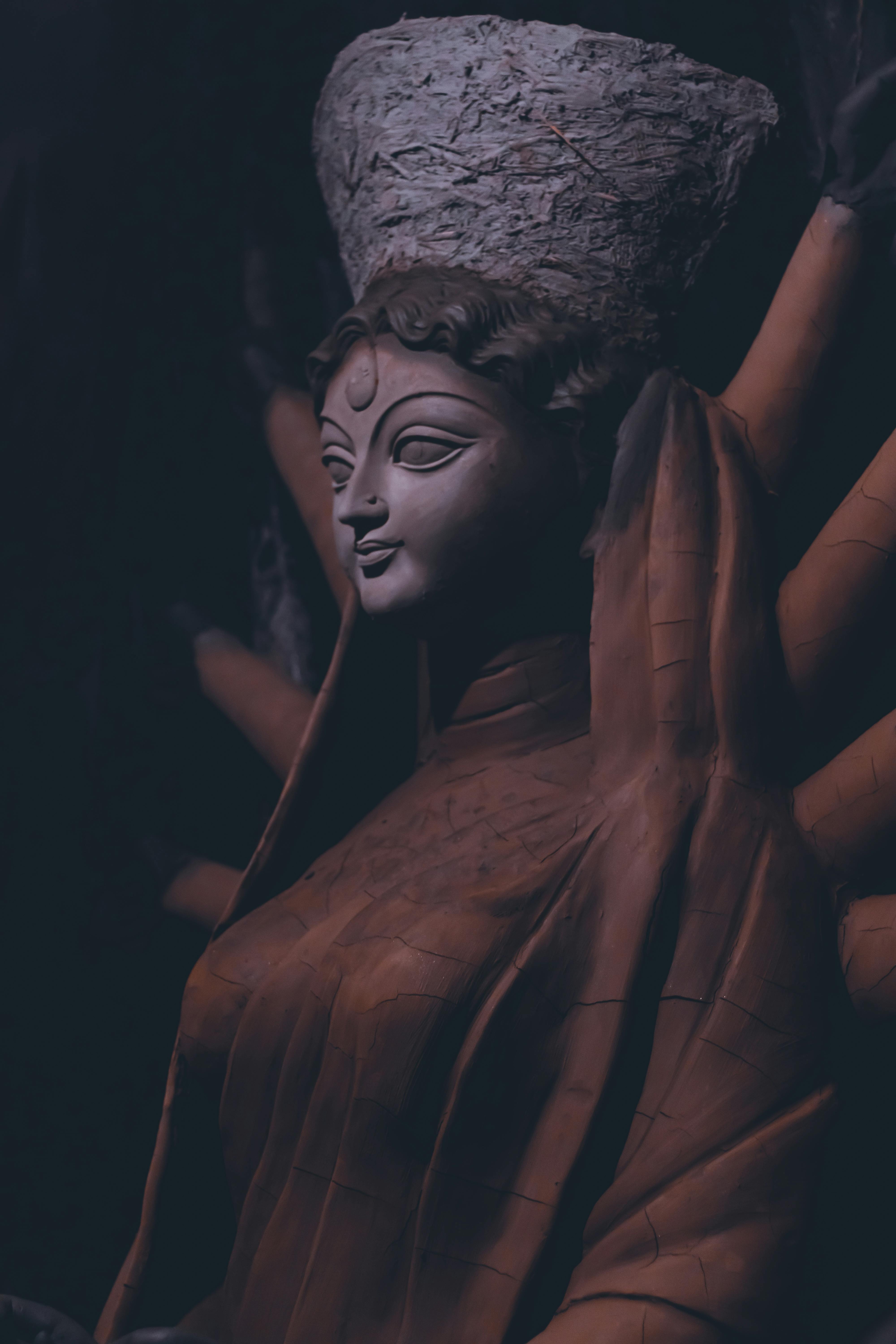
A haunting mini-opera where a lost wanderer encounters Green Tara (Buddhist goddess of compassion, tear drop of Avalokiteshvara) in a cold desert and receives devastating truths instead of comfort.
_____________________________________________
The man was tired of walking for long in the cold desert. The sand was almost silver and stung his feet with the chill from last night. An equally tired, grey sun failed to warm the grains of sand. And then, when he had almost lost hope, Green Tara suddenly appeared out of thin air.
The man fell to his knees, joined his hands in supplication, and addressed the goddess:
‘O Green Tara, the tear drop of Avalokiteshvara,
have mercy on me, for I have sought you for long
You are the goddess of all those who are lost,
and I have lost myself, correct me if I am wrong’
_____________________________________________
The Goddess watched the man with pity. She knew him well. He was the child of sorrow and had been miserable all through his pathetic life. In fact, why the man was still alive, was what worried Green Tara.
She contemplated the wretched creature huddled at her feet for some time, and then decided to tell him the truth:
‘Yes, you are lost indeed, that I can see,
lost forever, a child of sorrow and pain
You have been cursed by the gods,
cursed when you were born in the times of rain’
_____________________________________________
The man turned his teary eyes to the goddess and asked:
‘But why me? Why was I cursed by the gods?
Isn’t it unfair? To be gifted with all the odds?’
Green Tara thought some more and then answered:
‘Whom do you belong to,
and whom do you possess?
Whom do you beg and cry to,
when you are in a dire mess?
You are a man from nowhere,
with no principles or morals
No good deeds in your bag,
and to your name, no laurels
Whom do you seek for solace,
and from whom do you beg forgiveness?
Whom do you choose to walk along,
when you are grieving and in distress?
You are a man with no certain future,
with no notable past or a worthy present
No real and lofty victories to boast of,
and a million regrets to resent
Whom do you love without conditions,
and whom do you serve selfless?
Whom do you hate with a vengeance,
when you feel the drive to aggress?
You are a man with no attachments,
with no relief and comfort in sight
No real gains to be happy about,
and what awaits you is only plight
Whom do you see as your companion,
and whom do you look for love?
Whom do you expect not to judge you,
when you are low in sin and not above?
You are a man who cannot be loved,
with no pure virtues or real talents
No sincere affections to be proud of,
and when mistreated, no one repents
You are just an anomaly in the system,
something to be removed and corrected
You are the broken gear in the machine,
something to be trashed and rejected
You are the one true monstrosity,
and carry the heaviest burden of guilt
You are the grandest absurdity,
cheap wine, to be mocked and spilt
What makes you happy and what makes you sad?
These are questions you know the answers to
Happiness will come and sadness will go,
you know these two will never come true
You are the one who is eternally lost,
between what should be and what can be
You are the one who is forever damned,
for wanting something that can never be’
_____________________________________________
The man was dejected. He kept on crying for a while, and then, when his tears dried up, he raised his head and asked Green Tara:
‘What will become of me O Green Tara?
May I expect a salvation or perhaps a respite?
Or is it my destiny to be a lost wanderer,
a man without soul, or maybe a dark knight?’
Green Tara looked at him with pity in her lovely eyes.
Too little time and too much to do, too little air and too much to breathe—and now the pale sun dips low, autumn surrenders to frost, and a dying voice begs: don’t wait.
_______________________________________________
Life isn’t fair, my friend; life isn’t fair at all
Once there was…,
Too little time and too much to do;
and too little air and too much to breathe
Too little space and too much to woo;
and too little energy and too much to reap
Too limited a vision and too much to see;
and too small a mind and too much to learn
Too little wisdom and too much taken as free;
and too small a choice and too many boats to burn
_______________________________________________
Life isn’t fair, my friend; life isn’t fair at all
Once there was…,
All those I could have loved, but didn’t,
and all those I shouldn’t have, but did
All those I could have blessed, but didn’t,
and all those I shouldn’t have, but did
Knowledge I could have gained, but didn’t,
and knowledge I shouldn’t have accessed, but did
Things that I could have passed on, but didn’t,
and things that I shouldn’t have, but did
_______________________________________________
Life isn’t fair, my friend; life isn’t fair at all
Now…,
The pale sun is dipping low in the West,
and the wind has stopped ruffling my hair
The chaos is all tired and preparing to rest,
and the eternal silence is almost here
The autumn is surrendering fast to the frost,
and the ideas have stopped painting my imagination
The violins have hushed, and all will is lost,
and ambition has ceased to move my determination
_______________________________________________
Life isn’t fair, my friend; life isn’t fair at all
Please, I beg you…,
Go do what you want and go reap what you need,
be kind to all around you and get rid of your greed
Go see what you desire and go learn what you can,
understand all that you like, no need for any plan
We make them our gods, bow for forgiveness, sacrifice our ego, then discover we loved a narcissist, and wisdom was asleep while we built altars for humans.
______________________________________________
Oh, how the mighty gods that we build, fall;
how they crumble and fall, when we lose our faith
Oh, how our hearts that we’ve made so stout, break;
how they break and shatter, when we become a wraith
______________________________________________
The first glance that we steal is sheer attraction,
it’s only the silver lining that shines, and that we see
There may be billowing clouds of darkness within,
but ‘go on, be a fool!’, our desires make a strong plea
______________________________________________
Attachment comes groveling and crawling then,
masking our insecurities and binding us with chains
They become the reasons for our happiness and sorrow,
as stupidity thrives and runs through our veins
______________________________________________
Then comes love, the sweet, sickly love,
we make them our gods, with our knees so weak
We bow to them, and we seek their forgiveness;
we sacrifice our ego, we aim only to please
______________________________________________
The final stage is hurt, it is a cold, sharp dagger;
with the blade of betrayal, it cuts our hearts deep
That we loved a narcissist, it comes as a shock;
knowing it all along, our wisdom was asleep
______________________________________________
While we are doing all this to ourselves,
our subconscious stands as a somber guard
She is hard steel, she doesn’t care for any gods;
amidst the raging chaos, her stance is always hard



 Shehryar khawar