A sweeping historical fantasy following Ashastû, a young Zoroastrian from ancient Nishapur, on his transformative journey from Persia to the mystical mountains of Bamiyan. This philosophical tale weaves together forbidden love, spiritual quest, and profound questions about God, religion, and the nature of existence. Set against the backdrop of medieval Central Asia, the story explores themes of religious tolerance, cultural diversity, and the eternal search for truth through encounters with shamans, mystics, and the enigmatic Woman in the Porcelain Mask. A rich narrative combining Persian mythology, Buddhist philosophy, and universal human experiences of love, loss, and enlightenment.
_______________________________________________
Once, I was Ashastû, son of Darsha and resident of the ancient city of Nishapur. I was a follower of Mazdayasna and the worshipper of Ahura Mazda. Once I was a bird, imprisoned by a gilded cage.
Like a butterfly, which was once a caterpillar, I was all that but no more. I have become the bearer of the most ancient of all legacies - the legacy of forgotten wisdom. This is the story of my transformation and my transition, from a caterpillar to a butterfly; and from the dark path of ignorance to the bright path of wisdom.
_______________________________________________
My family had been serving the grand temple of Nishapur since the time of the great Zarathustra. My father was among the most respected leaders of the Council of Mobeds. He was also the Chief Priest of the Temple of Fire and the Custodian of the Towers of Silence.
My father was kind and affectionate and wanted me to take his place one day, once it was his time to return to the lap of Ahura Mazda. But I was a free spirit - an eagle living under the shades of the great grey mountains. An eagle, who was waiting for his chance to ride the mighty shoulders of the wind, and make his nest atop the summits of snowy peaks.
_______________________________________________
Nishapur was not an ordinary city. This Persian city was the capital of the Khorasan Province, and attracted intellectuals and artisans from as far as Jerusalem in the Middle East and Taxila in the Indus Valley. The city was filled with gold and riches, thanks to the never-ending turquoise mines.
It was a tough and resilient city. It survived the raids of rebels fighting the Sasanids and the Samanids. It survived the onslaught of the Tahirid and the Seljuq forces, and it also survived the devastation imposed by the Mongols. In fact, the city’s survival against the Mongols was nothing short of a miracle.
The devils from the Khanate in Mongolia slaughtered the entire population of the city within days. A few citizens, including my family, saved their lives by hiding in caves, masked by the slopes of the Binalud Mountains. But something deep within the city’s carcass kept breathing, and after the fall of Khwarezmia at the hands of the Mongols, Nishapur kept on progressing under the Shiites. Along with the great cities of Balkh, Merv, and Herat, it evolved into an intellectual, commercial, and cultural gem.
Nishapur was a colourful city with a life of its own. But, with all its charms and knowledge and with all its riches and women, the city was unable to keep me chained to the feet of my father. I was waiting for my chance to fly away, and my father knew this.
‘Ashastû! My son! You are going to get lost in the world out there.’ He used to say, gracefully attired in his flowing white robes.
‘Yes, father!’ I used to bow my head with a tiny and rebellious smile dancing around the corners of my lips.
‘Stay here with me, and one day the spirits of our ancestors will bring peace to you.’ He used to say.
‘But the spirits live beyond the frontiers of space and time.’ I used to tease him, feeling confident in the warmth of his paternal affection, ‘Won’t they be able to bring peace to me wherever I am in this whole wide world?’
‘Do not exploit the love of an old man, Ashastû.’ His moist eyes used to plead, ‘I love you, my son, and would like you to stay here with me till the day I breathe my last.’
‘If you truly love me, father….’ I used to beg in return, ‘…..you would let me go wherever I want to go.’
Then one day, a large caravan from Kashghar crawled like a great serpent through the grand city entrance. To the city of Nishapur and its countless dwellers, the caravan was nothing out of the ordinary. But for me, the caravan was the wind, the eagle within me was seeking. Once it left Nishapur, a few days later, I was riding one of its camels, concealed by a grey and brown, old, tattered robe.
_______________________________________________
Once I left Nishhapur, I never looked back. It was my dream to see the world stretching beyond the horizon. I saw that world with my eyes and felt it with my heart. With each new journey came a new adventure.
I carried along a copy of the Avesta, the collection of the Zoroastrians’ sacred texts. The ancient book, the obscure prophecies hidden within its disintegrating pages, and my understanding of the verses were all I had to earn my livelihood. I was willing to trade my religion for my survival.
The caravan followed the southern shores of the Caspian Sea and entered Azerbaijan. I smelt the fresh and crisp air kissed by snow and peered into the grey eyes of the wild mountain women. I found the majesty of the icy peaks reflected in those eyes. The freedom of my soul fell in love with the freedom in those grey eyes. But I had to move on, and I moved on, leaving behind a piece of my heart buried in the white snow.
The caravan moved through Armenia and then Georgia and reached the great city of Smyrna in Turkey. The captivating architecture and minarets with their high spires lost within the white billowing clouds stimulated my curiosity. The music of the lyre and the smells of spices intoxicated my soul and incited my sensuality. I wanted to study the graceful curves of each marble dome and feel the rough texture of each sun-dried brick. But I had to move on, and I moved on, leaving a piece of my soul tied to the pigeons of Smyrna.
The caravan moved through Babylon and Mesopotamia and then back into Persia. It crawled along the Persian Gulf and re-entered Khorasan. The caravan did not stop either at Kandahar or Ghazni except for a day or two, and kept moving until it reached the feet of the great Buddhas of Bamiyan.
_______________________________________________
Bamiyan awed me. The two grand Buddhas, managing to look humble even in their silent grandeur, captivated my imagination. They were carved into the side of a great mountain, looking down on the wandering Hazara tribes. I used to sit on a rock facing the statues and think of Buddha, the Prince who abandoned the rich comforts of his palace in search of peace and wisdom.
I loved Bamiyan so much that when the caravan left, I stayed behind. But it was not my interest or curiosity in the Buddhas that made me stay in Bamiyan. Rather, it was my dark fate, which perched upon a lonely ledge of the naked mountains, and stalked its ignorant prey. Then one day it dived down from the ledge. It hid her dark ugliness behind the sweet and lovely face of Zahran and introduced me to the yet alien feeling of love.
_______________________________________________
One summer morning in Bamiyan, I was sitting at my usual spot, lost in a reverie. The day was bright and peaceful with a few soft clouds floating on the clear blue sky.
‘Who are you and why do you sit here every day?’ The gleaming steel of a delicate but firm voice suddenly sliced the silence.
I slowly turned my neck and looked at my nemesis. She was riding the most beautiful horse I had ever seen. It was tall and had gleaming, black satin skin stretched over wonderfully formed muscles. Its long mane was knotted into braids, each tied with a small silver bell at the end, and the leather saddle and straps looked as soft as velvet and were dyed a dark hue of purple.
For a moment, my gaze remained fixed on the delicately carved silver spurs attached to the black leather saddles. Then it climbed up slowly. My eyes traced the firm contours of muscled and well-toned shins and thighs. The rider had an excellent taste in clothes, and her dark velvet and silk apparel spoke of her high status.
I finally looked at her face after delaying the pleasure as long as possible. A pair of emerald eyes was staring back at me with curiosity. Two bushy eyebrows stretched like scimitars over those lovely eyes. Nothing else was visible as a purple silk scarf covered her face.
‘I am Ashastû of Nishapur.’ I answered while getting up, ‘And who might be you, my lady?’
‘I am Zahran.’ She gave a short answer and kept staring at me.
‘Zahran who? Queen of the Dark Night or Guardian of the Golden Sunlight?’ I asked with a smile.
‘Zahran, the daughter and only child of Katib Ahang - the Chief of all Hazara tribes.’ She answered haughtily and then turned her horse and galloped away.
_______________________________________________
I kept on standing there for ages, my senses numbed by fragrance diffusing the clear mountain air all around me. It was the fragrance of the night-scented jasmine, and it seeped deep into my heart.
Zahran became my destiny in those few fleeting moments. I forgot that I was a traveller. I forgot that I was away from my home and in a foreign land of strange customs and traditions. All instincts of safety and survival abandoned me and were replaced by the vision of two emerald eyes, peering at me from behind a silk scarf.
Of course, I had heard of her father, Katib Ahang - the cruel and despotic tribal chief of all Hazaras. Whoever spoke of him spoke with fear-inspired deference. I knew where he lived. It was a navy blue pavilion, the colour of the night sky, on which a silver flag waved at the mercy of the crisp mountain air.
From that day onwards, I sat in the same spot every day and at all hours, waiting for Zahran to return. I forgot all about the grand Buddhas, and I stopped reveling in the sad majesty of the lofty mountains. Zahran became the centre of my universe. Her memory became the fire around which my mind circled like a moth. I breathed in her name and breathed it out. I was a man struck by the thunderbolt of love. I was a doomed man.
Days changed into nights and nights transformed back into days. The sun and the moon followed each other from horizon to horizon. Then one day, while I was sitting at the usual spot, something cold and wet fell on my head. I looked up. Snow had started falling. Winter had come to Bamiyan, and with it came a freezing wind, chilling my bones. But still, Zahran didn’t come, and I kept on waiting for her.
_______________________________________________
It was an extremely cold morning when destiny chose to show some pity on my agony. There was a harsh wind blowing from the North. But I was oblivious to all. I was sitting cross-legged, facing the Buddhas with my eyes closed and vision filled with the beauty of emerald eyes. Suddenly, I heard the sound of hooves thudding upon the soft carpet of snow.
When I heard the tinkling of silver bells along with the sound of hooves, my heart leapt with joy. But I didn’t get up. Ashastû of Nishapur was in love, but he was also patient.
‘Who are you and why do you sit here every day?’ Her voice still sounded the same - gleaming steel slicing a thick blanket of silence.
‘I am Zahran’s slave and I wait here every day for her.’
My heart had stopped beating in the anticipation of a response. But there was only silence. Finally, I decided to turn around. There on her tall horse, sat my beloved - clad in an ebony-coloured gown. Her emerald eyes were staring at me and through me, their green depths betraying nothing of what was going on in her mind.
‘I find you interesting - Ashastû of Nishapur.’ Zahran decided to speak.
‘Then I am the luckiest man on earth.’ I approached the horse, placed my hand lightly on the reins, and bowed my head. ‘Let death come and I will willingly embrace it for I have found all that I ever desired and all that I ever will desire.’
‘One never finds all the desires. Don’t be absurd.’ Her eyes smiled at me.
‘One does if he learns contentment.’ I smiled back at her.
‘So, are you content, Ashastû?’
‘Yes, I am……now.’ I answered while holding her gaze.
She got down from the horse, and we sat together on the boulder.
‘What do you desire most in the world?’ She asked, after a few moments of fragrant silence.
‘Interestingly, I always thought I desired freedom the most. But….’ I deliberately left my sentence frozen in the cold mountain air like a hanging icicle.
‘But?’ She softly coaxed me to go on.
‘But that was before I met you, Zahran.’ I picked up some courage and delicately touched her hand, ‘Now I desire you the most.’
She laughed at my answer, and her laughter was the sound of silver bells riding the early morning air. But she did not withdraw her hand from my touch.
‘Ah! Desire….the most temporary and fragile of all human feelings.’ She subtly pressed my hand back.
‘One moment, the desire overpowers us and intoxicates us with its heady perfume; and the next, it dissolves into nothingness, making way for the next desire. But if fulfilled, it transforms into the stink of regret.’ She said thoughtfully.
‘My desire for you is nothing like that. It is here to stay in my heart - forever.’ I submitted.
‘Forever?’ She laughed again. ‘Forever is a word that suits only our creator. We humans can just live in the moments and can only dream of forever.’
We sat together for some time, and then, seeing a few horses leave her father’s camp, she hurriedly left. But that was not our last meeting. Instead, it was the first of many such meetings. Each time we met, I expressed my love, and each time she brushed aside my submissions with laughter. But as steadily falling drops of water pit a slab of granite, my words of love, slowly and gradually, melted Zahran’s heart.
Seasons changed - winter gave way to spring and summer, and autumn heralded the advent of another reign of harsh coldness. But our young hearts, warmed by love and passion, were oblivious to the cold winds raging outside.
Then one day, Zahran did not come. I waited and kept on waiting. First for a day, then for a few days, and then for weeks. When a whole month had passed and she didn’t come, I knew something was amiss. Without reflecting on the consequences, I decided to go check one evening.
_______________________________________________
The pavilion of Katib Ahang was not very far from where I lived. I approached it stealthily. It was dark in the valley but brighter than daylight around the pavilion. A thousand torches burned brightly, illuminating the lower expanse of the grand canvas structure.
The place was thickly manned by a battalion of menacing-looking sentries - some on foot, while the others rode tall horses. My heartbeat was throbbing in my ears, and I could smell the stink of my own raw fear. But still, the memory of a fragrance - Zahran’s fragrance, kept me steadfast.
‘Who goes there?’
‘Who moves like a thief amidst the shadows?’
‘Halt! Or you will be slain like a filthy pig.’
Suddenly, frantic and threatening cries halted my feet. My foolish presence had been detected.
In a few moments, I had been apprehended by the sentries, and my hands and feet were bound tightly. They threw me into a dark dungeon. A few nights passed, and no one interrogated me. The guards were silent as trees, and my desperate queries were met only by cold eyes.
Then one morning, the dungeon gates were thrown open. I was bound again and dragged to the Chief’s pavilion.
_______________________________________________
The pavilion indeed looked grander from the inside. The canvas ceiling was covered by a maroon velvet cloth, embroidered with gold, while the high steel and bamboo pillars were decked with golden fixtures. The floor was strewn with Afghan and Persian carpets, so luxuriously soft that I found my toes digging for hold at each step.
Towards the farther end of the pavilion and in front of a black silk curtain, sat the Chief.
Katib Ahang looked young for his age. His hair was still black and scattered on his wide shoulders. Beneath a wide forehead, two dark eyes glared at me, but not with malice. Instead, there gleamed a strange curiosity. If I was not wrong, there was even a hint of a smile on his thin lips. But that was all deception. He was rumoured to be wise yet cruel and fair to the point of strict rigidity.
Katib flicked his fingers, and I was pushed forward. I could hear subdued snickering all around me. A stranger was definitely not welcome amongst that strange company. I was surprised to see women sitting amongst the men, not as subjects or objects, but as equals. I was aware that Hazara women formed part of the council of elders, but I didn’t know that they participated in the court proceedings so openly.
‘Who are you and why are you here in Bamiyan?’ Katib Ahang inquired softly.
‘O mighty and noble chief of all Hazara tribes, I am Ashastû of Nishapur.’ I submitted in the humblest tone I could muster.
‘Go on!’ Katib’s command rang with impatience.
‘I came to Bamiyan by chance. I stayed in Bamiyan by choice. And I remained in Bamiyan by a stroke of fate.’ I answered with a bent head.
‘Nothing happens by chance, for every occurrence has a reason. Choice is rational, but fate is only what we make out of our circumstances.’ The Chief chewed on each word of his.
For a few moments, nobody spoke. Even the whispers and snickering had died down. All was silent in the court of Katib Ahang. His steely gaze scrutinised me from head to toe as his fingers scratched his short, pointed beard.
‘What do you do for a living, Ashastû of Nishapur?’
‘I am a follower of Zarathustra and a believer in Ahura Mazda.’ I raised my head, stared back into his eyes, and answered with confidence, ‘I am a religious scholar and a seeker of eternal truth. I am a traveller and a lover of freedom.’
‘Hmm!’ He scratched his beard again, ‘What were you doing near my pavilion? There is neither any eternal truth nor freedom to be found here.’
I couldn’t find any words to answer that question, so I stood in silence.
‘No answer, eh?’ Katib’s voice mocked me, ‘Perhaps you are not a religious scholar and a seeker of truth, but only a common thief.’
‘I am no thief, O’ mighty Chief.’ I protested, ‘But I am afraid of telling the truth.’
‘Truth is the only force that will set you free, Ashastû of Nishapur. Speak the truth and I will respect your words, but only if I find them free of the poison of deception. However, if I find even a single hint of cleverness and lies, I will have you quartered by four strong horses.’
_______________________________________________
For a while, we both kept staring at each other. I thought of many possible lies. Perhaps I could tell him that I had lost my way. That was believable and logical. Or I could tell him that I wanted to witness the grandeur of his pavilion so that I could go back and tell my countrymen of his magnificence and might. That could have flattered him, surely. But then reason abandoned me, and I decided to tell the truth.
‘I came here to search for Zahran, your daughter.’ My answer was the spark to the fuse of a cannon.
Cacophony broke out, and there was even the sound of a few swords and scimitars being unsheathed. But I refused to look around and kept on staring at the Chief. The colour of his face changed to red for a moment. He almost got up from his throne and started to speak, but then controlled himself and sat back.
‘Silence!’ Katib finally snarled, and the chaos around us died down abruptly. ‘And why were you searching for my daughter?’
‘Because I love her and was worried about her absence. I feared that some sickness or malady had overcome her. But as I had no means of inquiring about her well-being, I decided to come check myself.’ I was growing fearless by the moment. Now that my truth was out in the open, I wasn’t afraid of death anymore.
‘Are you mad or do you foster a death wish?’ Katib inquired while impatiently rubbing his hands, ‘Don’t you fear for your life, young man?’
‘He is neither crazy nor desires to die.’ Zahran’s beautiful voice rang out from behind the black curtain, ‘He speaks the truth, Father. He loves me and I love him.’
Katib was startled by Zahran’s voice. He looked back at the black curtain and then at me, and then back at the curtain again. He looked unbelievingly at his council of advisers and ministers, all of whom looked equally startled and shocked. It was a strange day in the court of Katib Ahang. He gave me a final look of disbelief and then held his hairy head in his hands and shut his eyes.
‘Do you belong to an illustrious family - perhaps an ancient line of great kings?’ The Chief raised his head and asked me. He looked old. Truth has that impact. It ages people.
‘No, I do not belong to a line of kings, O’ mighty Chief of Hazaras.’ I clasped my hands and explained with respect, ‘But my family is noble and I can trace my lineage back to the times of the great Zarathustra. My father is the Chief Priest of the Temple of Fire and the Custodian of the Towers of Silence in Nishapur. He is the Chief of the Council of Mobeds and is respected by the followers of all religions alike.’
‘He is an infidel.’
‘He is the worshipper of fire.’
‘He dares to dishonour the Hazaras and our noble Chief.’
‘He should be killed.’
Chaos broke out in the court again.
‘Enough!’ Katib raised his hand and silenced his courtiers.
‘It is true that we are the people of one true faith. But it doesn’t mean that we do not honour truth and the decisions of our women. Hazaras are noble not because of their lineage or race. We are noble because we honour truth and we honour our women. And one doesn’t honour women by taking away their right of choice; one honours women by respecting their decisions.’
I breathed a sigh of relief and gave myself a pat for sticking to my instincts.
‘But!’ Katib spoke again, ‘Zahran is no ordinary woman. She is the Princess of all Hazaras. For the honour of all Hazaras, she has a right to exercise her choice only if her choice proves his merit.’
‘I am ready for any test.’ I humbly bowed my head, ‘I am even ready to give my life to prove my love for Zahran.’
‘I agree too. You can test him, father, for I have an absolute confidence in my choice.’ Zahran spoke from behind the curtain.
‘You are a seeker of truth, you say?’ Katib looked at me sternly.
‘That I am, O’ mighty Chief.’ I was at my humblest.
‘Then give me an answer to these three questions, and Zahran will be free to marry you: What is God? What is religion? And what are prayers?’
I listened to the three questions and processed them with unease. I looked up and saw that Katib was smiling.
‘But all these….’ I protested, ‘All these are absolute questions, and only absolute truths can answer these questions. Nobody can find absolute truths.’
‘Even absolute questions can be answered satisfactorily, provided the answers are founded on reason and logic.’ The Chief dismissed my objection with a wave of his hand.
I nodded my head in agreement, and that was that. The deal was struck.
_______________________________________________
The next morning, Zahran, along with a few riders from her father’s guard, bade me farewell at the borders of Bamiyan. I looked at her face, and instead of tears, there was confidence lighting up her eyes. She knew and she believed in my capabilities. I had to prove myself worthy of her belief and confidence. With a heavy heart, I waved at her one final time and started climbing the mountain path.
_______________________________________________
I had no particular destination in mind as I didn’t know where the answers could be found. But trusting a voice deep inside my heart, I decided to travel towards the North.
My path was strewn with innumerable difficulties.
I crossed the lands of the wily Turks. They looked at my tattered clothes and mistook me for a Sufi. Nobody asked about my identity or religion. I passed through them unharmed.
I came across the cruel and bloodthirsty Uzbeks. Their marauding bands caught me and then released me, unable to determine my nationality. I passed through them unharmed.
I passed through the tribes of the Kazakhs. One look at me, and the robbers knew I did not carry any valuables or money. They even took pity on me and fed me and provided me shelter for a few days. I passed through them unharmed.
It was like some force of nature was guiding my path and protecting me against all odds and all harm. The swords, while plunging on my neck, froze mid-air, and daggers seeking my blood, were withdrawn at the last moment. When I was thirsty, I found sweet mountain springs; and when I was hungry, I found either game or kind villagers.
_______________________________________________
One day, while I was getting tired of following the endless curves of a gorge, I reached the feet of a mighty mountain range. The stones and rocks were all shades of black and white, and grey. About a few hundred feet up on the slope, there was a building made of blackened and aged wood and stone. It was two stories high, and smoke rose out of its chimneys. I had reached a caravan sarai.
After many negotiations and pleas on my part, the owner of the sarai agreed to let me spend a few nights there, in return for my agreement to entertain the guests each night.
It was a strange place. I could see a hundred or so travellers, each having a different nationality and a unique set of features. This by itself was not strange. Caravan sarais are supposed to be melting pots of many cultures and nationalities. But what I found strange was that none of those guests was a tradesman or merchant.
There was a thin naked sadhu from Benares in India; his naked body glistening with the fat of dead animals and sometimes smeared with ash. I was fascinated by the markings on his forehead and his knotted hair, and yoga asanas.
There was a young woman with flaming red hair; her green eyes betraying her Nasrani ancestors. The owner of the sarai called her a witch, an accusation which she neither denied nor acknowledged. I was entranced by the fluid way in which her body gyrated, while she danced to the strange beat of some invisible music.
There was a Tibetan Buddhist monk; his head as bald as an eggshell and his face filled with lines deep with age and experience. I marvelled at the sea of calmness reflected in his expressionless eyes and his slow, deliberate way of doing each routine task, as if it were some mystic ritual.
And then there was a shaman from some unknown lands; his long hair adorned by the most marvellous-looking feathers of exotic birds. I was captivated by his deep guttural incantations and his throat singing, which resonated with something deep inside me.
_______________________________________________
One night, I was sitting beside the fire burning in the middle of the sarai’s courtyard. Huddled in my tattered blanket and unable to sleep, I felt someone staring at me. I looked around, but everyone was either busy or asleep. No one was interested in me. But the feeling of being stared at persisted strongly.
I closed my eyes, and the wise words of my faraway father echoed in my ears, ‘When there is a sensory perception but you cannot find its origin, close your eyes and regulate your breathing. Breathe in and breathe out. Cancel out the noise of the world around you. Slowly and gradually, the origin will reveal itself to you.’
I regulated my breathing - ten breaths in and ten out - each of equal duration. When the world fell silent around me, I opened my eyes. I again searched the shadows and was successful in finally sensing a movement. I focused on it, and slowly, the shadows transformed into a definable physical shape. The Shaman stepped out of the darkness and approached me.
He wasn’t walking. Instead, he was dancing. He was taking slow, deliberate steps - two forward, one back, two forward, one sideways, and then again two steps forward. Nobody around us was playing any instrument, but I thought I could hear the weeping of the lyre and the beating of the unseen drums. I looked at him, totally entranced.
The Shaman came closer and started dancing around me. He completed one circle around me and then another in the opposite direction. But all that time, his half-closed eyes remained fixed on me. Then suddenly he stopped and raised his right hand in the air. My eyes followed the direction his index finger was pointing in. There, in a window on the top floor of the sarai, stood a woman with the palest and most featureless face I had ever seen. Her long hair fanned her shoulders. She was looking at me intently. Then she raised a hand and beckoned me to join her.
I had never seen that woman at the sarai before. She was probably a new guest. I wanted to ask the Shaman about her, but he had vanished - dissolving like smoke in the night air. I looked around and searched the shadows. He was nowhere to be found.
Scratching my head in confusion, I got up, adjusted the blanket around my shoulders, and entered the building. The owner was sitting behind a stone counter, busy doing some calculations in the weak lamp light. Sensing my presence, he looked up and stared at me questioningly.
‘I have been summoned.’ I offered a vague explanation.
‘Summoned? By whom?’ He sounded almost bored.
‘By a woman.’ I answered.
‘There is no woman in the sarai. The witch was the only woman, and she left this morning for the Lake of Grey Shadows.’ He chuckled softly.
‘I saw an old woman standing in a window.’ I insisted.
‘Well! We see what we want to see and not what is actually there. Go on then. Go see what your imaginary woman wants.’ He waved his hand at me disinterestedly and bent his head to his figures again.
I grabbed a burning torch from a wall and started climbing the dark stairs. The top floor was all dark and quiet. All the doors were closed shut and looked the same. However, one was different from the others. While all others were made of dark wood, this particular door was made of some strange metal which glowed in the dark. Rather, while the door itself provided a dark background, certain carvings on it pulsated with a strange glow.
I looked at the carvings closely. They looked vaguely familiar. I moved back a little, and then suddenly I understood. Those were not random carvings. Instead, from a certain angle and when viewed in totality, they formed a symbol. It was the figure of a bearded and crowned man with spread wings.
The symbol was not alien to me. It represented Faravahar, a significant symbol of my religion, which represented many different things like sins, virtues, loyalty, and faith. But above all, it represented truth.
I took a deep breath and knocked softly on the door. The moment my knuckles touched the door, the glowing lines of the symbol rearranged themselves into figures. They were all awful figures. Souls were writhing in agony and tortured spirits begging for mercy. For a moment, I was startled, but then I understood.
It was a door to truth, but truth is the most torturous of all revelations. It comes with a heavy price - the price that has to be paid in coins of anguish and misery. I asked myself if I was really ready to pay that price. Something inside me was convinced that whatever I sought was to be found beyond that door.
I thought of the sweet face of Zahran and her magical emerald eyes. I took another deep breath and knocked again. The glowing lines extinguished abruptly like a flame snuffed between two fingers, and the door went dark. I knocked for the third time.
_______________________________________________
‘Enter!’ A quavering voice commanded from inside the room, and the door opened by itself.
From the threshold, all looked dark inside. But the moment I closed the creaking door behind me, the room lit up.
It was a small room, not unlike others in the sarai, but far more decorated and rich. The walls were covered by dark, heavy folds of bluish black velvet and adorned with ornate drawings and writings in gleaming silver. There were tapestries and also a wolf’s skin, complete with the snarling jaw and sparkling beady eyes, lying in the middle of the floor. There was a bright, warm fire lit in the hearth, and someone was sitting facing the fire.
It was a small hooded figure - most probably the old woman standing in the window. She was wearing a deep purple-colored silk gown, but the rich colour was fading fast. Even within the folds of fading silk, intricately woven and embroidered dragons and other mythical beasts were visible.
‘Come sit beside me.’ The woman patted the small wooden stool at her side without looking at me.
‘Who are you?’ I sat down and asked. I tried to look at her face, but it was hidden by the hood of the silk gown.
Her sing-song voice rose like a lament:
‘I am the weeping wind in the willows, which sighs and passes over the plains;
I am the song of the grasshoppers, which comes after the rains
I am the bright sun of joyous life, which seems to shine eternally;
I am the pale moon of death, which seems to glow eternally
I am what was, and I am what is, and what will be, and what you may ask;
I am the riddle and I am the answer, I am the woman in the porcelain mask’
With the last words, she looked at me, and I was startled. There was no face. Under the crown of magnificent silver hair, there was an expressionless and delicate white mask of porcelain, covering all her features. She was old - of that I was sure. But how old? I had no means to assess her age.
‘I haven’t understood even a single word out of what you have said.’ I humbly confessed my failure.
‘You will understand.’ Her voice told me she was smiling underneath that mask. ‘You will understand all at the right time. Not before that and not after that - but only at the right moment.’
‘But who are you?’ I asked respectfully.
‘I was once a princess of the Song Dynasty. When the Mongols attacked China, I was a prized catch. Kublai Khan took one look at me and surrendered his heart forever. I became his most beloved wife. With time, I learnt to overcome my hatred for the Mongols - the killers of my noble family.’
She fell silent and started prodding the dying flames. The sparks hiding beneath the ash resurfaced with a fury, and the room was warm again.
‘Alas! Life is a series of sorrows separated by a few small joys. One day, when I was travelling with a caravan to join my husband on one of his hunting expeditions, I was kidnapped by the Hashisheen.’
‘Hashisheen?’ I asked. The term was strange to me.
‘Yes, Hashisheen - the crazy followers of the Old Man under the Mountain. They were a fearsome lot. The Old Man, Hassan bin Sabah, and his successors had created a force of chaos. Theirs was the power of death, and the instrument of death was a band of young men - all blinded by visions of heaven and hell.’ She answered without looking at me and then suddenly shivered as though the memory of some dark place was still haunting her senses.
‘Visions of heaven and hell?’ I was surprised, ‘How did the Old Man manage that?’
‘Hashish is a strange drug. It dulls the senses and makes you see visions in the smoke. Besides, heaven and hell were real. I was one of the houris of that heaven. One look at our naked bodies, and the boys were ready to kill just to have another look.’
Suddenly, a wailing chant from the courtyard disturbed our conversation.
‘Mookam karoti vaachaalam
Pangum langhayatey girim
Yatkripaa tamaham vandey
Paramaananda Maadhavam’
It was the Shaman. The old woman stood up and went to the window. She stood there watching the shaman for a while, and then raised her right hand and said sternly, ‘Be quiet and be gone, you fool. Your job is done. Go find a dark corner and rest in peace.’
Hearing these words, the Shaman stopped chanting, and silence ruled the night air once again. She turned back and walked back to her place by the fire.
‘Enough about me.’ She said, staring at me, ‘Now ask the questions you are seeking the answers to.’
‘Questions?’ I was startled. ‘But how do you………?’
‘Don’t be a fool.’ She raised her hand and silenced my query, ‘Ask the questions before the night turns into day.’
_______________________________________________
First Question: What is God?
‘The first question………’ I asked while scratching my chin, ‘What is God?’
‘Are you familiar with the writings of the ancient Greeks?’ She asked.
‘Yes, somewhat.’ I couldn’t grasp the tangent our conversation was following.
‘Archimedes was a famous Greek philosopher and scientist. Once, when asked to launch a naval fleet, he asked the King of Syracuse to pull at a string lightly. When the King pulled that string, a great system of cleverly designed pulleys and levers moved, and the whole fleet was launched in one go.
What can you not do - O’ great and wise Archimedes? The King asked in awe.
Everything can be done. Archimedes smiled. Give me a place to stand and I shall move the world.’
The old woman fell silent, and I looked at her expectantly.
‘Well….so?’ I asked impatiently.
‘So, Ashastû of Nishapur!’ She was smiling again. ‘God is the concept, which we have to understand to understand the world. God is the constant in all equations. This constant has to be incorporated in order to understand the relationship between the variables. God is not biologically significant. He is philosophically relevant and rather a compulsion.’
‘So the belief in God is a must to understand the world?’ I asked.
‘Yes, God is the path you walk on - the only path to truth.’ She nodded.
_______________________________________________
Second Question: What is Religion?
‘The second question….?’ I looked at her hesitatingly and waited for her permission.
‘Yes, please.’ She patted my knee with her bony hand, reassuringly.
‘What is religion?’ I asked.
Hearing my question, the woman fell silent again. She again got up and walked to the window. Lightning was illuminating the distant peaks, and the faraway thunder was a muffled roar. Then she turned towards me and spread her arms wide. She looked like a priestess of the heathens - her silver hair spread across the silk-clad shoulders, and the white porcelain mask was illuminated by the light of the flames.
‘Listen, Ashastû of Nishapur, all religions are the same. I was brought up a Buddhist and was then taught Taoism. I lived amongst the Mongols and learnt of their great religion of Shamanism, and I also witnessed the conversion of Kublai Khan to Islam. Then, when I was abducted by the Hashisheens, I learnt of many other religious doctrines and styles. There were Christians and Jews and even Hindus amongst us.’
‘But…’ I protested, ‘Zoroastrianism is the one true religion.’
The woman laughed, and her brittle laughter shattered the stillness of the peaceful mountain night.
‘Tell me Ashastû…..’ Seeing my obvious discomfort, she took pity on me, ‘Are you familiar with the story of the Angra Mainyu from your religion?’
‘Yes!’ I excitedly answered, ‘The architect of destruction, the King of all demons and noxious creatures, and the opposite of Ahura Mazda.’
‘And is your Angra Mainyu any different from the Christian concept of the devil or the Islamic concept of Shaitan? Or is your Ahura Mazda any different from the Christian God, the Islamic Allah, and the Jewish Elohim?’
I was listening intently.
‘All religions are the same. They talk about similar concepts: judgment after death, free will, and heaven and hell. Man needs to believe in a higher power and a higher system of judgment for his own psychological security. Man wants to commit sins with a belief in forgiveness, and wants to ward off the consequences of his actions.’
The woman fell silent, leaving me trying to somehow reassemble my badly tattered beliefs.
_______________________________________________
Third Question: What are Prayers?
‘I am ready to answer the third question.’ The woman had very little patience for my uncomfortable silence.
‘The third question is what are prayers?’ I asked.
‘Do you pray and are your prayers answered?’ The woman asked me.
‘Yes!’ I excitedly nodded my head, ‘Whenever I pray with a focus and I really desire something or someone, God answers my prayers.’
‘That is indeed admirable.’ She smiled at me and asked, ‘But does God answer your prayers when you yourself do not move or act?’
‘No!’ I thoughtfully replied, ‘I always have to make an effort.’
‘So who answers your prayers? Is it God or is it your efforts?’ She asked with a smile.
‘From the perspective of faith, I would like to believe that it is God who answers my prayers. But from the perspective of reason and logic, I believe it is my efforts that make my prayers come true.’ I answered thoughtfully.
‘I am not negating your belief in God.’ The woman again patted my knee kindly, ‘What I am trying to make you see is that your own efforts are responsible for the fulfillment of your prayers.’
‘But what about God’s role then?’ I persisted.
‘Perhaps He blesses your prayers. Perhaps He gives you a push in the right direction. Or perhaps He simply doesn’t care, or perhaps He doesn’t want to interfere with the carefully-balanced system that He has created. We do not know for sure’.
_______________________________________________
A wolf howled at the moon somewhere in the valleys. I looked outside the window. The Eastern sky was turning pale. Morning was approaching fast.
_______________________________________________
The Final Question: What is Love?
‘Quick!’ The woman raised her hand, ‘Ask the final question and be gone.’
‘The final question?’ I was surprised, ‘There is no final question. I only had three questions and all three have been answered.’
‘Those weren’t your questions, Ashastû.’ She gently reminded me, ‘Those were the questions of your lover’s father. Search your own heart. You still have a question left.’
I bent my head down and closed my eyes. I looked inwards and thought of my life. I thought of my old father and my many journeys. And I thought of the sweet face of Zahran. I knew what I wanted to ask.
‘What is love?’ I raised my head, opened up my eyes slowly, and asked.
‘Yes!’ She sighed with satisfaction, ‘What is love?’
‘Love is not desire, and love is not the destiny. Instead, love is a path to knowledge.’
‘Then, knowledge is the destiny?’ I asked.
‘No. There is no destiny. Knowledge comes with walking on the path. It comes with each step. Love is only an instrument we use to reach understanding. Once understanding comes, love’s task is done.’
_______________________________________________
I bent my head again in contemplation. The woman was strange, but she was right. I tried to think of Zahran, but her sweet face was fast dissolving into a sphere of light. I opened my eyes to thank the strange woman, but there was nobody there. The room was empty. Only her porcelain mask was there, placed carefully on the stool on which she was sitting.
_______________________________________________
The court of Katib Ahang was in order. He sat on his throne - the very picture of a worried father. Zahran was not well. She was sure some misfortune had befallen her lover. Katib did everything to divert her attention. He arranged dark magicians from the East and exotic dancers from the West. But nothing worked.
‘Your majesty!’ Katib looked up. An old servant was standing in front of the throne, holding a small piece of parchment in his hand.
‘Yes?’ He asked.
‘A raven brought this message today. It has answers to all the questions that you asked that Zoroastrian scholar.’
Katib eagerly grabbed the parchment and read it from top to bottom.
‘Bravo! The scholar has answered all the questions correctly and has even provided the answer to a fourth question that I never asked.’ He proclaimed loudly.
‘What is the fourth question, Father?’ Zahran suddenly tore open the black silk curtain and stepped outside. Her face wore a mask of anguish.
‘The fourth question is…….’ Katib read the parchment. ‘What is love?’
‘And what is the answer, Father?’ She asked anxiously, while rubbing together her beautiful hands.
‘Love is not desire, and love is not the destiny. Instead, love is a path of and to knowledge. Knowledge comes with walking on the path. It comes with each step. Love is only an instrument we use to reach understanding. Once understanding comes, love’s task is done.’ Katib read each word deliberately.
‘Ah! My Ashastû is no more.’ Zahran exclaimed and fell on the rug, clutching her delicate heart.
— Hundreds of miles away from Bamiyan and the court of Katib Ahang, I opened up my eyes. It was true that I was no more. It was true that Ashastû was no more, as he had become the Man in the Porcelain Mask.
تھکی ہوئی چیل نے اپنے پر سمیٹے اور گھونسلے کا رخ کرنے سے پہلے ڈوبتے سورج کی جانب آخری نظر ڈالی. اس کے پروں تلے پھیلتی تاریکی کی چادر بہت تیزی سے شہر ملتان کے سنہرے گنبد اور مٹیالے مینار نگل رہی تھی. سردیوں کی وہ گہری شام بہت اداس تھی اور اک اک کرتے ابھرتے اور ٹمٹماتے ستارے، اس شام کے حزن کی مانگ میں افشاں بھرتے نظر آرہے تھے
دن اور رات کا اختلاط بس تمام ہی ہوا چاہتا تھا. چیل نے زمین پر چمکتی روشنیوں کے ایک جھرمٹ پر نظر ڈالی جہاں سے دھواں بھی اٹھ رہا تھا اور بھنےگوشت کی سوندھ بھی. ایک لمحے کو ڈبکی لگانے کا خیالدل میں آیا ضرور مگر پھر دور گھونسلے میں بلکتے بچوں کا سوچ کر اڑتی چلی گئ
روشنیاں رشیدخان کونسلر کی حویلی پر برقی قمقموں کی لٹکتی جھالروں کی تھیں. جشن نا صرف حالیہ الیکشن کی جیت بلکہ کونسلر کی تیسری شادی کا بھی تھا. کونسلر ساٹھ سال کا بڈھا اور تیسری دلہن کسی مشکوک خاندان کی چشم وچراغ تھی مگر تھی اٹھارہ برس کی نوخیز کلی. لہٰذا جشن کا جواز توبنتا ہی تھا. پوری حویلی جگمگ جگمگ کرتی کہکشاں بنی ہوئی تھی
دھواں حویلی کے صحن میں ایک طرف سلیقے سے لگی دیگوں تلے دہکتے انگاروں سے اٹھ رہا تھا. کھانا ختم ہوئے کچھ دیر ہوچکی تھی لیکن فضإ میں اب بھی ہرطرف بریانی اور قورمے کی اشتہاانگیز مہک رچی بسی تھی اور حویلی کی اونچی دیوار سے ٹیک لگائے فقیروں کی لمبی قطار کے صبروضبط کا امتحان لے رہی تھی
ایک جواں سال منشی جو غالباً دیگوں پر نگران مقرّر کیا گیا تھا، ایک جانب بوسکی کے سوٹ اور ریشمی واسکٹ میں ملبوس کھڑا اپنی نوکیلی مونچھوں کو تاؤ پر تاؤ دئے جا رہا تھا. اسکی توجوہ کا مرکز دیگیں کم اور کونسلر کی گاڑی سے اترتی حرم گیٹ کی طوائفوں پر زیادہ تھی جو زرق برق کپڑوں اور سونے کے بوجھ تلے دبی پریاں دکھ رہی تھیں. ان کو منشی کی آنکھ سے جھلکتی ہوس کا اچھی طرح سے اندازہ تھا مگر آج کا راجہ اندر، اکڑا کھڑا منشی نہیں بلکہ کونسلر رشید خان تھا
حویلی کے صحن میں ایک برگد کا بوڑھا درخت ٹوٹی اینٹوں کے چبوترے پر ایستادہ تھا. اس درخت کا بیج رشید خان کونسلر کے پردادے نے ڈیڑھ صدی قبل لگایا تھا. اس وقت نا حویلی تھی نا ہی خان کا سابقہ. پردادا ایک غریب موچی تھا اور حویلی کی جگہ ٹوٹا پھوٹا ایک کوٹھری کا مکان تھا جس میں جلتے چراغ سرے شام ہی بھجا دئے جاتے تھے کیونکہ تیل بہت مہنگا تھا
وقت گزرتا رہا، رشید موچی پیدا ہوا اور برگد کے درخت تلے ننگا کھیلتا بڑا ہوگیا. باپ دادا کی نسبت لڑکا بہت تیز تھا، لہٰذا اس نے جوتے سینے پر ہیروئن فروشی کو ترجیح دی. سفید پاؤڈر کے کاروبار میں کچھ ایسی برکت تھی کہ دیکھتے ہی دیکھتے ٹوٹی کوٹھری، حویلی بن گئ اور رشید موچی، رشید خان بن گیا
آج برگد کے چبوترے پر علاقے کے اکلوتے بینڈ کے ممبران براجمان تھے اور سردی سے کانپتی انگلیوں کو ایک چھوٹی سی سلگتی انگھیٹی پر تاپنے کی ناکام کوشش میں مصروف تھے. پیلی پڑتی سفید وردیاں جن پر پیلے ہی رنگ کے بٹن جو شاید کسی زمانے میں چمکتے پیتل کے رہے ہوں گے، کندھوں پر ٹکے پرانے باجے اور ان سے لٹکتی میلی پرانی جھالریں. غریبی اور بھوک کے منڈلاتے سایوں تلے تمام کے تمام ممبران، ایک ہی خاندان کے چشم و چراغ دکھائی دے رہے تھے
ان سب سے الگ، سفید کھچڑی بال لئے اورپان کے داغ لگے گلے سڑے دانتوں میں بیڑی دبائے مدقوق بینڈ ماسٹر ایک جانب یوں اکیلا کھڑا تھا کہ جیسے کسی اجڑے مزار کا مغرور مجاور کھڑا ہو. طوائفوں کے جھرمٹ کو دیکھتے ہی ماسٹر صاحب نے ناک کے نتھنے میں گھومتی انگلی نکالی اور بوڑھی ہوس کے زور پر، آنکھوں سے پورے جھرمٹ ہی کو سموچہ نگلنے کی کوشش کی. طوائفوں نے ماسٹر صاحب کی بے وقعت ہوس پر ایک بےرحم ٹھٹا لگایا اور اندر کی جانب بڑھ گیئں.
وہاں حویلی کے صحن میں موجود ایک ایسا شخص بھی تھا جس نے جوان اور پرکشش ہونے کے باوجود طوائفوں کی طرف آنکھ اٹھانے کی زحمت بھی نہیں کی تھی. وہ تھا پنوں مراثی
پچیس چھبیس کا سن، اونچا لمبا قد، آنکھوں میں مناسب سرمہ، تیل لگے مگر سلیقے سے جمے ہوئے بال، صاف ستھرا کرتا، سادہ لنگی اور سنہری واسکٹ، کمبخت مراثی کم اور کسی پرانی پنجابی فلم کا ہیرو زیادہ لگ رہا تھا
فضا میں تیزی سے بڑھتی خنکی کو محسوس کرتے ہوئے اس نے بغل میں گٹھری بنی اونی چادر نکالی اور کندھوں پر لپیٹ لی. جسم میں کچھ گرمائش محسوس کی تو وہ وہیں چبوترے پر بیٹھ گیا اور بڑی محبّت سے مخمل کے غلاف میں لپٹے ہارمونیم کو سہلانے لگا. پھر قرینے سے غلاف اتار کر ایک طرف رکھا اور ہاتھی دانت کی ملائم چابیوں کو چھیڑ کر سر کی آزمائش کی.
مہاگنی کی کالی لکڑی سے بنے ہارمونیم پر جڑی چمکتی دھات کی ایک چھوٹی سی تختی پر لکھا تھا
‘حمید مراثی اورہمنوا‘
حمید مراثی پنوں کا باپ تھا جس کا کچھ مہینوں قبل ہی انتقال ہوا تھا. ہارمونیم کی پرانی چابیوں میں باپ کا پر شفقت لمس تلاش کرتے پنوں نے اپنے ساتھیوں کے منتظر چہروں کی جانب دیکھا اور انکو تسلی دینے کے لئے مسکرا دیا
خوبصورت طوائفوں کو اندر داخل ہوئے کافی وقت گزر چکا تھا مگر انکی شادی میں موجودگی کے باوجود اس مراثیوں کے ٹولے کو خاطرخواہ کمائی کی امید تھی. دراصل کونسلر کا منشی پنوں کے پرائمری اسکول کا ہم جماعت تھا اور پرانی دوستی کے ناتے اس نے پنوں سے مناسب دیہاڑی کا وعدہ کیا تھا. ہاں یہ اور بات تھی کہ پرانی دوستی کے باوجود یہ وعدہ پنوں کو پچیس فیصد کمیشن کی ادائیگی کے عیوض ملا تھا
پنوں نے منشی کی جانب نگاہ کی اور اسکی جوابی معنی خیز مسکراہٹ سے تقویت پکڑتے ہوئے آج کی محفل کے لئے بالخصوص تیار کئے گئے گیتوں کی فہرست کو دل ہی دل میں تازہ کیا
چلوبھائی مراثی پارٹی، اندر بلا رہے ہیں تم لوگوں کو’. منشی کی کرخت آواز نے پنوں کو چونکا سا دیا. اس نے نظر اٹھا کر اپنے ہمنواؤں کی جانب دیکھا جن کی سوالیہ نگاہیں اسی کی جانب لگی کھڑی تھیں
ہاں بھائی جلدی کرو. دیری ہوگئ تو کہیں مہمان ناراض نا ہوجایئں’. پنوں اپنی پارٹی کو پیچھے آنے کا اشارہ کرتے ہوئے منشی کے ساتھ حویلی کے صحن میں لگی چھولداری میں داخل ہوگیا
اندر تو ماحول ہی کچھ اور تھا. دیسی اور ولایتی شراب کی بوتلیں گردش میں تھیں. معمولی مہمان تو کب کے جبری رخصت کردئے گئے تھے. اب وہاں صرف رشید خان کونسلر اور اس کے چیدہ چیدہ چالیس پچاس مہمان باقی رہ گئے تھے. کچھ نچلے درجے کے سیاستدان تھے، کچھ سرکاری افسر، کچھ رشتےدار اور کچھ رشیدخان کی طرح چرس اور پاؤڈر کے معزز تاجر
سب نیم دائرے میں لگے صوفوں پر براجمان تھے اور گاڑھی چھن رہی تھی. ایک طرف ڈی ایس پی صاحب ممتاز پوڈری کو اپنے مکمّل تعاون کا یقین دلا رہے تھے اور ساتھ ساتھ ممتاز کی بغل میں انگڑأیاں لیتی میڈم خوشبو پر، پرشوق نگاہوں سے صدقے واری ہو رہے تھے. دوسری طرف جیرا چرسی، شراب کے نشے میں ڈوبے ڈپٹی کمشنر کے منشی کا گال یوں تھپتھپا رہا تھا کہ جیسے وہ پچپن سال کا بڈھا نہ ہو بلکہ دو تین سال کا چھوٹا سا بچہ ہو. گناہوں کی تجارت اور پیسے کی چاہت نے عزت بےعزتی کا فرق مٹا دیا تھا
سامنے ایک وسیع وعریض چاندنیوں سے ڈھکا اسٹیج تھا. طوائفیں تو مہمانوں کی حیثیت کے مطابق انکی بغل گرما رہیں تھیں لہذا اسٹیج پر ایک طرف صرف بوڑھی نایکایئں بیٹھی پان چبا رہی تھیں اور ویلوں میں دیئے گئے نوٹ گن رہیں تھیں
پُنوں مراثی اور پارٹی کو اندر آتا دیکھ کر تقریباً سب ہی مہمانوں نے بدمزگی سے منہ بنایا. رشید خان کونسلر نے بھی حیرانگی سے پارٹی کی طرف دیکھا اور کچھ کہنے کے لئے کھڑا ہونے ہی لگا تھا کہ پیچھے ایستادہ منشی نے کندھا دبا کرکان میں کچھ سرگوشی کی. رشید خان نے مسکرا کر سر ہلایا اور واپس بیٹھ گیا. کیسے اپنے منشی کی بات نا مانتا؟ آخر کو وہ صرف منشی نہیں بلکہ اس کا نیا نویلا سالا بھی تھا
پنوں نے دور سے یہ ساری کاروائی دیکھی اور مشکور نظروں سے منشی کیطرف دیکھ کر سر ہلایا. منشی کے حوصلہ افزاء اشاروں سے اس نے ہمّت پکڑی اور اپنے ہمنواؤں اور موسیقاروں کو اسٹیج پر جگہ سنبھالنے کا اشارہ کیا
سازوں کی تاریں کھینچی گیئں، سر سیدھا کیا گیا اور پنوں نے تان لگائی. کچھ ایسا سر اور درد تھا اس کی آواز میں کہ مہمانوں نے بےاختیار ہوکر اسٹیج کی جانب دیکھنا شروع کردیا. کچھ نے تو تعریفی نگاہوں اور مسکراہٹوں سے رشید خان کی پسند کو بھی ہدیہ پیش کیا. مگر پنوں ان سب باتوں اور اشاروں سے بےخبر کسی اور ہی دنیا میں جا چکا تھا
جس یار دے یار ہزاراں ہون
اوس یار نوں یار نا سمجھیں
جیڑا حد توں ودھ کے پیار کرے
اوس پیار نوں پیار نا سمجھیں
ہووے یار تے دیوے ہار تینوں
اوس ہار نوں ہار نا سمجھیں
بلھےشاہ
پانوھیں یار جنا وی غریب ہووے
اودی سنگت نوں بیکار نا سمجھیں
تالیاں تو بہت بجیں مگر ان میں وہ دم نہیں تھا جو پنوں چاہتا تھا. اس نے کچھ لمحے سوچا اور پھر حاضرین سے مخاطب ہو کر کہنے لگا
‘شادی کا موقع ہے. پتہ نہیں جو گانے جا رہا ہوں وہ ٹھیک ہے بھی یا نہیں’
پھر اس نے دھیمی سی مسکراہٹ سے اپنے موسیقاروں کی طرف دیکھا اور دبے الفاظ میں کچھ سمجھایا. تھوڑی دیر کے لئے تو موسیقاروں کو اپنے کانوں پر یقینن ہی نہیں آیا مگر پھر پنوں کو بضد پا کر انہوں نے اپنے ساز سیدھےکئے
فضاء میں سارنگی کا نوحہ گونجا تو حاضرین نے چونک کر اسٹیج کی طرف دیکھا
ماۓنی میں کنوں آکھاں
درد وچھوڑے دا حال نی
دھواں دھکھے میرے مرشد والا
جاں پھولاں تاں لال نی
جنگل بیلے پھراں ڈھونڈیندی
اجے نا پایو لال نی
دکھاں دی روٹی، سولاں دا سالن
آہاں دا بالن بال نی
کہے حسین فقیر نماناں
شوہ ملے تاں تھیوان حال نی
پنوں کی پردرد آواز، شاہ حسین کا پرسوز کلام، نشے اور گناہوں سے چورچور دل. پتہ نہیں کس چیز نے کس چیز پر اثر ڈالا مگر جب پنوں نے آخری تان لگا کر آنکھیں کھولیں تو حاضرین میں ہرآنکھ کو اشکبار پایا. حتکہ طوائفیں بھی اپنے زرق برق پلوؤں سے آنکھیں پونچھ رہیں تھیں
.اوئے ادھر آ مرجانیاں!’ رشیدخان کونسلر نے کھڑے ہو کر آواز لگائی تو پنوں دوڑتا چلا آیا’
‘اوئےیہ کیا گا دیا تو نے کمبخت؟’
پنوں نے رشید خان کی آنکھوں میں جھانک کر ناراضگی یا تعریف کا تعین کرنے کی کوشش کی. ‘رلا رلا کر برا حال کردیا سب کا’ رشید خان نے ہزار ہزار کے دس نوٹ پنوں کی طرف بڑھائے تو اس بیچارے کی جان میں جان آگئ. جھک جھک کر محفل کو آداب کیا اور اسٹیج پر چڑھ کر دوسری کافی شروع کی. وہ رات پنوں میراثی اورہمنواؤں کےحق میں بہت بابرکت ثابت ہوئ
محفل کے اختتام پر پنوں نے اللہ کا شکر ادا کیا. دل ہی دل میں شاہ حسین کے لئے دعائے مغفرت کی اور اپنے ساتھیوں کی جانب دیکھا. انکی جیبیں بھریں تھیں اور چہروں پر مسکراہٹیں رقصاں تھیں. اس نے اپنے حصّے کے پیسے نیفے میں اڑسے اور ساتھیوں سے اجازت لے کر گھر کی جانب چل پڑا
ملتان کی ملگجی، اداس اور دھند بھری گلیاں خاموش پڑی تھیں. بس اینٹوں پر پڑتی پنوں مراثی کے قدموں کی چاپ ہر سو گونج رہی تھی. سب لوگ اپنے گرم بستروں میں سوئے پڑے تھے. بس پنوں تھا، سردی سے کانپتے کچھ آوارہ کتے تھے اور کبھی کبھار کوئی اکیلا دکیلا چوکیدار دکھائی دے جاتا تھا. سردیوں کی رات بس بھیگ ہی چکی تھی اور دور افق پر میلا میلا اجالا ایک نۓ دن کی نوید سنا رہا تھا
ایک دودھ دہی کی کھلی دوکان کے سامنےسے گزرا تو ریڈیو پر گونجتی آواز پنوں کے کان میں پڑی. استاد امانت علی خانصاحب کی گائی غزل تھی: ‘انشاءجی اٹھو اب کوچ کرو؛ اس شہر میں جی کا لگانا کیا’
سنتےسنتے سردی پتہ نہیں کہاں غایب ہوگئی اور پنوں کے قدموں کی چاپ، تال پر گونجنا شروع ہو گئی. یہ اس کے باپ حمید میراثی کی محبوب غزل تھی. رات کی تنہائی میں سنائی دی توپنوں کے اٹھتے ہر قدم کے ساتھ ماضی کے ورق پلٹتے چلے گئے
‘پنوں پتّر! وےپنوں! ماں صدقے روٹی کھا کے جانا. یوںہی پکھے پیٹ نا جانا کھیلنے باہر.’
ماں کی آواز کانوں میں گونجی. پنوں چھےسال کا تھا اور چڑیا کے بچوں کی طرح گھر کے گھونسلے میں محفوظ تھا. یہ گھونسلہ اس کے ماں باپ کی محبت سے بنا ہوا تھا جس میں کسی غم، کسی مشکل کا دخل نہیں تھا
گھونسلےکی موجودگی سے بےخبر اور ماں کی التجائیں سنی ان سنی کرتا پنوں، کنچے جیب میں سنبھالتا باہر بھاگ گیا جہاں اس کے بہت سارے ہم عمر دوست اس کے منتظر تھے. جلد ہی اندرون بوہڑ گیٹ کی وہ گلی، زندگی بھرے شور اور قہقہوں سے گونجنے لگی
‘اوئے بالیو کنچے چھوڑو. پڑھو اندر بیٹھ کر.’ شیخ صاحب جو کہ اپنے گھر کے سامنے چبوترے پر بیٹھے اخبار پڑھ رہے تھے، اتنا شور نہیں برداشت کرسکے
‘رہنے دیں شیخ صاحب. بچوں کوکھیلنے دیں. اب نہیں کھیلیں گے تو کب کھیلیں گے’
گلی سے گزرتے محلے کی مسجد کے بوڑھے امام مولوی عبدالصمد نے، مسکرا کر شیخ صاحب کو ٹوکا
آپ کی وجہ سے بچے بگڑ گئے ہیں مولانا. میری مانیں تو ان کو پکڑ کر مسجد لے جایئں اور قران پڑھایئں.’ شیخ صاحب نے نظر کی عینک اتار کر اس کے موٹے موٹے عدسے صاف کرتے ہوئے کہا
شیخ صاحب، اللہ تعلیٰ کو بچے کھیلتے ہوئے زیادہ اچھے لگتے ہیں. یہ ہنستے ہیں تو آواز عرش تک جاتی ہے. ذرا باری تعالیٰ کا موڈ اچھا رہتا ہے.’ مولوی صاحب نے ہنستے ہوئے کہا اور پنوں کا سر شفقت سے تھپتھپاتے ہوئے آگے بڑھ گئے
استغفراللہ! استغفراللہ! کیسا عجیب مولوی ہے؟’ شیخ صاحب زیرلب بڑبڑائے اور پھر سے اخبار کی سنسنی انگیز خبروں میں مگن ہوگئے
پنوں حمید مراثی اور زینت کا اکلوتا لڑکا تھا. اس لحاظ سے اسکی حیثیت کسی انمول خزانے سے کم نا تھی. حمید ذات اور پیشے، دونوں کا مراثی تھا. اس کو زندگی میں صرف تین چیزوں سے محبت تھی: پنوں، زینت اور اس کا ہارمونیم
تین افراد پر مشتمل، چھوٹی چھوٹی خوشیوں والا یہ چھوٹا سا خاندان ملتان کے قدیمی علاقے اندرون بوہڑ گیٹ کی ایک تنگ گلی میں واقع، اپنے چھوٹے سے اور ٹوٹے پھوٹے موروثی مکان میں رہتا تھا. غریب لوگ تھے. کبھی کمائی ہوجاتی، کبھی نا ہوتی. لیکن خدا سے گلہ شکوہ کئے بغیر جو روکھی سوکھی نصیب ہوتی تھی، صبروشکر کے ساتھ کھا لیتے تھے
حالات بہت گھمبیر ہو جاتے تو زینت کو بھوک لگنا ختم ہوجاتی تھی. حالات اور خراب ہوتے تو حمید کا دل بھی کھانے کو نا چاہتا. لیکن پنوں ان سب باتوں سے بےخبر کبھی کسی رات کو بھوکا نا سویا تھا
صبح سویرے جب چڑیوں کے چہچہانے اور کبوتروں کی غٹرغوں سے پنوں کی آنکھ کھلتی تو دیکھتا کہ اسکی ماں صحن میں لگے لکڑی کے سالخوردہ تخت پر بیٹھی قران کی تلاوت کررہی ہے. اس وقت ماں کو دیکھنا پنوں کو بہت اچھا لگتا. اس کے دوپٹے میں لپٹے چہرے پر نور ہی نور ہوتا. کبھی کبھی تو پنوں کو لگتا کہ وہیں کہیں صحن میں خدا بھی بیٹھا اسکی ماں کی باتوں کا جواب دے رہا ہے. لیکن جب بھی مڑ کر دیکھتا تو صحن میں صرف سفید اور سرمئی کبوتر دانا دنکا چگتے پھر رہے ہوتے تھے
تلاوت ختم کر کے زینت قران پاک کو چوم کر ریشم کے غلاف میں ڈالتی اور برآمدے کے طاق پر احتیاط کے ساتھ سنبھال دیتی. پھر پنوں کے بستر کی طرف آکر اس کے چہرے پر پھونک مارتی اور ماتھا چوم کر اٹھنے کا اشارہ کرتی. ماں کی گرم پھونک کا حصار سارا دن پنوں کو اپنے وجود کے اردگرد گھومتا محسوس ہوتا
تھوڑی دیر میں جب ماں پھونکیں مار مار کر چولھا جلا رہی ہوتی تو حمید بھی اٹھ کر تخت پر آ بیٹھتا اور گرم نمکین پانی سے غرارے کر کے ریاض شروع کردیتا. باپ کو دیکھتے ہی پنوں فٹافٹ بستر سے اٹھتا اور بھاگ کر منہ ہاتھ دھو کر باپ کے ساتھ ریاض میں شامل ہو جاتا. حمید اسکی طرف فخر سے دیکھتا اور کبھی کبھی شفقت سے اس کا سر سہلا دیتا. کڑوے دھویئں کی اوٹ سے سرخ آنکھیں مسلتی زینت باپ بیٹے کا پیار دیکھ کر مسکراتی جاتی اور دل ہی دل میں دونوں کی سلامتی کی دعایں مانگتی رہتی
رات کے سالن کے ساتھ پراٹھا اور الائچی کی خوشبو سے مہکتا چاۓ کا پیالہ پی کر پنوں اسکول کا یونیفارم پہنتا اور ماں باپ سے پیار کروا کر اسکول کے لئے رخصت ہوجاتا
کبھی کبھی پنوں کے دل میں کوئی خیال آتا تو باپ سے پوچھتا
‘ابّا! یہ روز صبح اماں قران پڑھتی ہے. تو کیوں نہیں پڑھتا؟‘
‘دیکھ بیٹے! کبھی تو نے کبوتروں کو تلاوت کرتے دیکھا ہے؟ ہر مخلوق کا اپنا اپنا عبادت کرنے کا، شکر ادا کرنے کا الگ انداز ہوتا ہے. تیری ماں تلاوت کر کے اس ذات پاک کا شکر ادا کرتی ہے اور میں گا کر’. حمید پنوں کے بالوں میں انگلیاں پھیرتا جواب دیتا
‘بس تو رہنے دے اپنے فلسفے.’ زینت مسکراتے ہوئے دخل اندازی کرتی. ‘پنوں پتر! تیرا باپ بس سست ہے. اس سستی نے نماز روزہ سب چھڑا دیا’
‘سست نہیں ہوں،بس اس پاک ذات کی رحمت پر یقین ہے. ایک غریب مراثی کو دوزخ میں ڈال کر بھلا کیا کرے گا؟ اور پھر تو ہے نا نیک بخت میری بخشش کروانے کے لئے.’ حمید شہادت کی انگلی آسمان کی طرف اٹھا کر جواب دیتا تو زینت بس مسکرا کر خاموش ہوجاتی.
سکول میں پنوں بس درمیانے درجے کا طالبعلم گردانا جاتا تھا. نا بہت اچھا اور نا ہی نالائق. ‘تومراثی کا بچہ ہے. مراثی ہی رہےگا.’ کبھی کبھی ماسٹرعلم دین تنگ آکر پنوں پر برس پڑتا
یہ بات ہرگز نہیں تھی کہ پنوں کند ذھن تھا. وہ بےحد زہین تھا مگر اس کی ذہانت حساب کتاب کی بجائے سر اور تان میں پوشیدہ تھی. لمبےلمبے پہاڑے اس کو تب ہی یاد ہوتے جب وہ انہیں گا کر پڑھتا
‘اک دونی دونی، دو دونی چار’
حد تو یہ تھی کہ تھوڑی دیر درد سہنے کے بعد ماسٹر علم دین کے موٹے تیل پلائے سرخ بینت کی ضربیں بھی پنوں کو طبلے کی تھاپ کی مانند سنائی دیتی تھیں
پنوں کو مراثی کہلوانا بھی کبھی برا نہیں لگا. جب پہلی دفعہ اس کے کسی دوست نے لڑائی کےدوران اس کو مراثی که کر چھیڑا تو وہ دوڑ کر باپ کے پاس پہنچ گیا
‘ابّا! یہ مراثی کیا ہوتا ہے؟‘
‘مراثی؟’ حمید نے ہارمونیم کی چابیاں صاف کرتے چونک کر بیٹے کے سنجیدہ اور دکھی چہرے کی طرف دیکھا: ‘مراثی وہ ہوتا ہے جس کو سر اور تال سے محبت ہوتی ہے. وہ بس گاتا ہے. خود بھی خوش رہتا ہے، خدا کی مخلوق کو بھی خوش کرتا رہتا ہے اور خدا کو بھی خوش کرتا ہے’
‘لیکن ابّا! مراثی اگر اتنا اچھا ہوتا ہے تو لوگ اسے گالی کیوں سمجھتے ہیں؟’ باپ کی بات پنوں کی سمجھ میں نا آی”
‘یہ دنیا بڑی اداس جگہ ہے پتّر.’ حمید نے سر ہلاتے جواب دیا. ‘اس دنیا میں خوش رہنا بہت مشکل ہے. بہت کم ایسے لوگ ہیں جو خوش رہتےہیں. اور جو خوش رہتےہیں، دنیا ان سے جلتی ہے’
‘ابّا! یہ جو ریڈیو پر بڑے بڑے استاد گاتے ہیں، یہ بھی مراثی ہیں کیا؟’ پنوں کا بڑا دل کرتا تھا کہ ایک دن وہ اور اس کا باپ مل کر ریڈیو پر سنگت کریں
‘بس پتّر یہ سب مولا کے کھیل ہیں. کسی کوعزت دے کر امتحان لیتا ہے، کسی کو عزت نا دے کر امتحان لیتا ہے. کسی پرکرم کر کے استاد بنا دیتا ہے اور کسی پر کرم کر کےمراثی. مگر کرتا سب پر کرم ہے.’ حمید نے مسکرا کر جواب دیا مگر بیٹے کے چہرے پر ناچتی کشمکش دیکھ کر سمجھ گیا کہ بات اس کے ننھے سے ذھن کے پلّے نہیں پڑی
‘دیکھ پتّر! یہ دنیا کے لوگ چھوٹے دل والے ہیں. تو پڑھ لکھ کر ڈاکٹر بھی بن گیا تو ہمیشہ تجھے مراثی ہی کہیں گے. بس تو پھرمراثی ہونے کو اپنا فخر بنا لے’. حمید نےسمجھانےکی کوشش کی
.فخر کیسے بنا لوں ابّا؟’ پنوں نے معصومیت سے پوچھا’
‘دیکھ بیٹے، مولا سر کی نعمت صرف اپنے خاص خاص بندوں کو انعام میں دیتا ہے. یہ نعمت اتنی خاص ہے کہ سارے نبیوں میں سے صرف داؤد علیہ سلام کو سر کی نعمت ملی تھی. تو پھر فخر کی بات تو ہے نا؟’ حمید نے مسکرا کر پوچھا تو پنوں نے سمجھ کر سر ہلا دیا اور باپ کی نصیحت ساری عمر کے لئے پلّے باندھ لی
‘کون ہےبھائی؟’ اچانک ملگجے اجالے اور دھند سے اٹھتی آواز، پنوں کو ماضی سے حال میں کھینچ لائ
پنوں نے غور سے دیکھا تو آواز کسی غیر کی نہیں بلکہ اس کے اپنے محلے کے بوڑھے چوکیدار رحمت کی تھی
.میں ہوں چاچا رحمت……پنوں!’ اس نے آگے بڑھ کر شناخت کروائی’
‘اچھا اچھا. اسوقت یقیناً کوئی پروگرام کر کے آرہا ہوگا تو. خیرسےآ. لیکن فجر کا وقت ہوچلا ہے، اب نماز پڑھ کر ہی سونا.’ رحمت نے شفقت سے اپنا جھریوں بھرا ہاتھ پنوں کے کندھے پر رکھتے نصیحت کی
‘ہاں جی چاچا. اب نماز پڑھ کر ہی گھر جاؤں گا’
پنوں نے محلے کی مسجد کی طرف قدم بڑھاتے جواب دیا جہاں لاؤڈ اسپیکر پر مولوی صاحب گلا کھنکھار کر اذان دینے کی تیاری کر رہے تھے. مسجد کی داخلی محراب پر نظر پڑی تو پھر یاد ماضی نے آ جکڑا
پنوں بارہ سال کا تھا اور ایک شام حمید کے ساتھ کسی پروگرام سے واپس آرہا تھا
‘چل پتر، مغرب کی اذان ہورہی ہے. تیری ماں بھی کیا یاد کرے گی، آج نماز پڑھ کر گھر چلتے ہیں. پھر سنا ہے کوئی نۓ مولوی صاحب بھی آ گئے ہیں مولوی عبدالصمد کی جگہ پر. لگے ہاتھوں ان کو بھی سلام کر لیںگے.’ حمید نے پنوں کی انگلی پکڑے مسجد کی طرف جاتے ہوئے کہا
اسوقت حال ہی میں مولوی عبدالصمد کا انتقال ہوا تھا. مرحوم بہت ہی نیک انسان تھے. نا صرف اپنی تھوڑی سی تنخواہ میں محلے کے غریب خاندانوں کی مدد کرتے بلکہ رمضان میں حمید کو نعت پڑھنے کے لئے بھی مسجد میں باقائدگی سے بلایا کرتے تھے. بڑے احسانات تھے حمید مراثی پر ان کے.
باپ بیٹا ہاتھ پکڑے مسجد کی داخلی محراب سے اندر داخل ہوئے تو حمید نے ہارمونیم کندھے سے اتار کر ایک کونے میں حفاظت سے رکھ دیا اور دونوں جوتے اتارنے لگے
‘کیا کرنے آئے ہو یہاں؟ مسجد کو پلید نا کرو.’ ایک چنگھاڑ نے دونوں باپ بیٹوں کے پاؤں زمین سے جکڑ دئے. پنوں نے سر اٹھا کر دیکھا تو غالباً نعۓ آنے والے مولوی صاحب تھے
گٹھا ہوا قد، سر پر عمامہ، شانوں تک ڈھلکے لمبے چنبیلی کا تیل لگے سیاہ خضاب آلود بال، مہندی لگی نارنجی مائل سیاہ شرعی داڑھی، دانتوں میں دبی نیم کی مسواک، ایک ہاتھ میں زمرد کے مصنوعی دانوں کی چمکتی تسبیح، لمبا سبز ریشمی چغہ اور سرمہ لگی آنکھوں میں خشونت کے سرخ ڈورے
‘اٹھاؤ اس شیطانی چرخے کو اور یہاں سے دفعہ ہو جاؤ. کنجرکےبچے. مراثی.’ مولوی صاحب نے انگلی سے ہارمونیم کی طرف اشارہ کرتے ہوئے نفرت سے کہا تو پنوں کو اللہ کے پاک گھر میں بادل گرجتے سنائی دئے
‘مولوی صاحب، یہ آپ کیا کہ رہے ہیں؟’ حمید بیچارے نے ہمّت مجتمع کرتے ہوئے احتجاج کی کوشش کی. ‘ہم تو عرصے سے اللہ کے اس گھر میں آتے ہیں. پہلے مولوی عبدالصمد مرحوم مسجد کے امام تھے. انہوں نے تو کبھی نہیں روکا ہمیں
‘دماغ خراب تھا عبدالصمد کا.’ مولوی صاحب نے نفرت سے ہونٹ سکیڑتے ہوئے جواب دیا: ‘اب میں اس مسجد کا امام ہوں. اللہ کے پاک گھر کو تم جیسے کنجروں کی وجہ سے گندا نہیں ہونے دوں گا’. مولوی صاحب نے اپنے حکم میں مزید اثر پیدا کرنے کے لئے ہارمونیم کو ایک لات رسید کی
‘چل بیٹا یہاں سے نکلیں. اب یہ اللہ کا گھر نہیں رہا، اللہ کے بندوں کا گھر بن گیا ہے. بندوں کے دلوں میں مراثیوں کی کوئی جگہ نہیں ہوتی’. حمید نے دکھی دل سے ٹوٹا ہارمونیم اٹھایا، پنوں کی انگلی پکڑی اور ہمیشہ کے لئے مسجد سے نکل گیا
حال میں واپس آتے ہوئے پنوں نے اپنی آنکھوں میں امڈتی نمی پونچھی اور حسرت بھری نگاہوں سے اپنے پڑوسیوں کو مسجد میں داخل ہوتے دیکھتا رہا. جب سب باری باری اندر چلے گئے تو اس نے ہارمونیم مسجد کے دروازے کے باہری طرف رکھا، نمازیوں کی جوتیاں ایک طرف کر کے اپنی چادر بچھائی اور نماز پڑھنے لگا
پنوں جب بھی پروگرام کر کے گھر پھنچتا تو اس کے دروازہ کھٹکھٹانے سے پہلے ہی سسی دروازہ کھولتی اور ایک خوبصورت مسکراہٹ کے ساتھ ایسے اس کا استقبال کرتی کہ پنوں کی ساری تھکن پلک جھپکتے غائب ہوجاتی. مگراس دن ایسا نہیں ہوا
پنوں نے کافی دفعہ لکڑی کے پرانے دروازے پر دستک دی مگر کوئی کھولنے نہیں آیا. لٹکتی کنڈی پر تالا بھی نہیں لگا تھا. بیچارہ پریشان ہو کر مڑا ہی تھا کہ پڑوسیوں سے پوچھے کہ اندر سے آتی قدموں کی مخصوص چاپ نے اس کے قدم روک لئے. سسی نے دروازہ کھولا تو اس کی سانس اکھڑی ہوئی تھی اور پیشانی پر پسینے کے بیشمار قطرے موتیوں کیطرح چمک رہے تھے
پنوں نے غور سے سسی کی طرف دیکھا تو ہمیشہ کی طرح اس کی کالی گہری آنکھوں میں ڈوبتا چلا گیا
پنوں اور سسی کی شادی ہوئے ابھی صرف ایک سال ہی گزرا تھا. سسی، حمید مراثی کے لنگوٹیے یار افتخار مراثی کی اکلوتی بیٹی تھی اور پنوں سے عمر میں پانچ سال چھوٹی تھی. بچپن ہی سے پنوں کے عشق میں گرفتار تھی. پھر تھی بھی لاکھوں میں ایک
اونچا لمبا قد، لمبے گھنے کالے بال، بڑی بڑی کاجل کی سیاہ حدود میں قید آنکھیں جن میں زیادہ وقت شرارت ڈیرے ڈالے رکھتی تھی، سانولا سلونا رنگ اور متناسب جسم
صحیح معنوں میں گدڑی میں لعل تھی. پھر زینت کو بھی بہت پسند تھی اور وہ دل وجان سے اسے اپنی بہو بنانا چاہتی تھی. مگرحساس دل والا پنوں نجانے کیوں سسی کے معاملے میں بہت کٹھور دل تھا. یا شاید وہ ہمیشہ سے سسی کو صرف ایک شوخ بچی سے زیادہ کچھ نہیں سمجھتا تھا
زینت سسی کے دل کے حال سے بخوبی واقف تھی مگر کیا کرتی؟ جب بھی بیٹے سے بات کرنے کی کوشش کرتی، وہ ہنس کر ٹال دیتا تھا. خاوند کو کہتی تو وہ بس ہنس کرکہتا
‘نا پریشان ہوا کر زینت، جب بچوں کے دل ملنے ہوں گے، مل جایئں گے. تیرے میرے کھینچنے سے کچھ نہیں ہوگا.’ زینت بیچاری یہ سن کر چپ کرجاتی مگر دل ہی دل میں دعا ضرور کرتی
‘رب سوہنے، جیسے تو نے میرا اور حمید کا دل ملایا تھا، ویسے ہی پنوں اور سسی کا دل بھی ملا دے. میں بہاالدین ذکریا کے مزار پر دس دیئےجلاؤں گی. بلکہ اگر تو نے کچھ جلدی میرا کام کر دیا تو میں سو دیئے جلاؤں گی’
شاید قبولیت کی گھڑی تھی یا حضرت بہاؤالدین ذکریا نےزینت کی سفارش کردی ہوگی. پنوں اور سسی کے دل اس دن ملے جس دن پڑوس کے شیخ صاحب کے قل تھے
پنوں کا دل نہیں لگ رہا تھا تو وہ ماں باپ کو قلوں پر بیٹھا چھوڑ کر گھر کی طرف چل پڑا. لیکن گھر کے دروازے پر لٹکتا موٹا تازہ تانبے کا تالہ دیکھ کر یاد آیا کہ چابی تو وہیں ماں کے پاس رہ گئی. اب کون واپس جاتا اور ماں کو عورتوں میں سے ڈھونڈ ڈھانڈ کر چابی لیتا
اچانک اس کو یاد آیا کہ سسی کی ماں کسی کام کی وجہ سے قلوں پرنہیں گئ تھی. لہذا پنوں نے یہ ہی فیصلہ کیا کہ جب تک حمید اور زینت گھر نہیں آجاتے، وہ قریب ہی سسی کے گھر میں آرام کرے گا. تکلّف اور شرم کی کوئی بات توتھی نہیں. دونوں گھر والوں کا آپس میں بہت آنا جانا تھا اور پھر سسی کی ماں پنوں سے اپنے بیٹوں والا سلوک کرتی تھی
‘ارے پنوں پتّر، تو یہاں کیا کر رہا ہے؟ قلوں پرنہیں گیا؟’ پنوں افتخار مراثی کے گھر میں بےتکلّفی سے داخل ہوا تو سسی کی ماں صحن میں کپڑے دھو رہی تھی.
‘گیا تو تھا اماں. پر دل نہیں لگا. پھر نیند بھی پوری کرنی ہے. رات کو ایک پروگرام میں جاناہے.’ پنوں نے سر کھجاتے جواب دیا
‘لے تو جھلّا ہے بالکل. قل بھی کوئی دل لگانے کا موقع ہوتا ہے؟’ سسی کی ماں بےاختیار ہنس پڑی لیکن پھر پنوں کو شرمندہ دیکھ کر اسے ترس آگیا. ‘جااندرجاکرسوجا. گھنٹے دو گھنٹے تک میں جگا دوںگی’
پنوں اندر گیا تو چارپائی پر ایک ریشمی بڑے بڑے پھولوں والا گہرا نیلا سوٹ بکھرا پڑا تھا. وہ اٹھا کر ایک طرف لاپرواہی سے پھینکا اور چارپائی پر لمبا لیٹ گیا. لیٹتےہی آنکھ لگ گئ. لیکن تھوڑی ہی دیر میں کھٹکا سا ہوا تو ہڑبڑا کر آنکھیں کھولیں
سسی نہا کر غسل خانے سے باہر نکل رہی تھی. سر پر تولیہ ڈالے بال خشک کر رہی تھی لہذا اسے پنوں کی موجودگی کا احساس نہیں ہوا. تھوڑی دیر کے لئے تو پنوں پر جیسے سکتہ ہی طاری ہو گیا. جسم پر ایک عجیب کیفیت طاری تھی. سارا بدن سنسنا رہا تھا اور گلا خشک ہو رہا تھا
‘اوئے سسی!’ بہت کوشسش کرنے پر پنوں کے حلق سے ایک عجیب سی آواز نکلی تو بیچاری سسی نے بوکھلا کر تولیہ چہرے پر سے ہٹا کر دیکھا اورپھر ‘ہائے میں مر گئ’ کہ کر واپس غسل خانے میں گھس گئ
پنوں سٹپٹاتا چارپائی سے اٹھا اور دوڑ کر گھر سے نکل گیا. سسی کی ماں آوازیں دیتی ہی رہ گئ. اس رات کھانے کے بعد پنوں نے ماں کو ایک طرف لے جا کراور شرماتے شرماتے سسی کے لئے ہاں کر دی
‘کیوں اب ایسا کیا ہوگیا کہ توسسی کے لئے اچانک مان گیا؟ اب چھوٹی بچی نہیں لگتی کیا؟’ زینت نے مسکراتے ہوئے پوچھا. سسی کی ماں نے اس کو دن کا واقعہ تو بتایا تھا لیکن سسی کی خاموشی کی وجہ سے یہ پتہ نہیں چل سکا تھا کہ پنوں اچانک سسی کے گھر سے بھاگ کیوں گیا تھا
.نہیں اماں، سسی اب بڑی ہوگئ ہے.’ پنوں نے ماں سے نظریں چراتے ہوئے جواب دیا’
‘اچھا؟ بڑی ہوگئ ہے؟ بھلا یہ کیسے پتا چلا میرے پتر کو؟’ زینت نے بدستور مسکراتے ہوئے پوچھا تو پنوں نے یہ ہی بہتر سمجھا کہ وہاں سے غائب ہو جائے
زینت نے بھی بیٹے کو زیادہ تنگ کرنا مناسب نہیں سمجھا اور چادر سنبھالتی چل پڑی سسی کی ماں کو خوشخبری سنانے
وہ جوڑا واقعی آسمان پر بنا تھا. سسی اور پنوں کیا ملے، دونوں کے ماں باپ کو لگتا تھا کہ چاند اور سورج مل گئے. ‘میری پتہ نہیں کیا نیکی کام آگئ کہ سوہنے رب نے تجھے میرے نصیب میں لکھ دیا’، سہاگ رات کو پنوں نے سسی کا گھونگٹ اٹھا کر اور دو کانپتی انگلیوں میں اسکی تھوڑی پکڑتے ہوئے کہا
سسی کچھ نا بولی. صرف شرما کرسر جھکا لیا اور دل ہی دل میں مسکرانے لگی. وہ غسل خانے سے باہر نکلتے ہوئے اچھی طرح جانتی تھی کہ پنوں کمرے میں موجود ہے. لیکن کیا کرتی بیچاری؟ یہ بھی نا کرتی تو پنوں شاید ساری زندگی اس کو چھوٹی سی بچی ہی سمجھتا رہتا. عشق اور محبت میں سب کچھ جائز ہوتا ہے
ایک اچھی بیوی کی طرح سسی نے اپنے ساس اور سسر کے دل کی خواھش پوری کی اور شادی کے پورے تین مہینوں کے بعد حاملہ ہو گئ . پنوں کی خوشی کو تو گویا ایک دوسرا رخ مل گیا
.دیکھ لینا، لڑکی ہوگی اور بالکل تیرے جیسی سوہنی ہوگی.’ وہ سسی کو چھیڑتے ہوئے کہتا’
.نا جی نا. لڑکا ہوگا اور تیرے جیسا جوان اور بڑا گایک بنے گا.’ سسی اٹھلا کر جواب دیتی’
‘نہیں سسی. میں اپنے بیٹے کو مراثی نہیں بناؤں گا. میں اسے پڑھاؤں گا، لکھاؤں گا اور بڑا آدمی بناؤں گا.’ پنوں ایک عزم کے ساتھ کہتا
‘پنوں جھلے! بڑےآدمی پڑھائی لکھائی سےنہیں، نصیب سے بنتے ہیں.’ سسی دل ہی دل میں کہتی اور اپنے خاوند کی آنکھوں میں جگمگاتے خوابوں کی روشن تعبیر کے لئے اللہ سے دعا مانگتی
‘کیا دیکھ رہا ہے ایسے بٹر بٹر؟ اندر آنا ہے یا پھر دروازے پر ہی کھڑا رہنا ہے؟’ سسی کی آواز پنوں کو حال میں کھینچ لائ
‘مجھے تو کچھ نہیں ہوا پر تجھے کیا ہوا ہے؟ پھرسے بخار تو نہیں چڑھ گیا؟’ پنوں نے فکرمندی سے سسی کے چہرے کی طرف دیکھتے ہوئے پوچھا
‘ہاں بخار بھی چڑھا ہے اور کھنگ بھی لگی پڑی ہے شام سے. لیکن دوا لےلی تھی. ٹھیک ہوجاؤں گی جلدی. تو فکر نا کر’. سسی خاوند کی محبت بھری نظروں سے کچھ نا چھپا سکی
‘اب تو ٹیسٹ کی رپورٹ بھی آگئی ہوگی. چل آج ڈاکٹرصاحب کے پاس ہو ہی آیئں.’ پنوں نے سسی کے پیچھے پیچھے اندر داخل ہوتے ہوئےکہا
اندر جا کر پنوں نے ہارمونیم کو اس کی مخصوص جگہ پر رکھا اور پھر تخت پر بیٹھی اور قران کی تلاوت کرتی ماں کے دوپٹتے سے ڈھکے سر کوچوم لیا. ماں نے محبت سے مسکرا کر بیٹے کی طرف دیکھا، قران پاک بند کیا اور پنوں کی پیشانی پر آیت الکرسی پڑھ کر پھونک ماری
‘کیا بات ہے پتّر؟ ماں صدقے پریشان سا لگ رہا ہے. کمائی نہیں ہوئی آج؟’ زینت نے بیٹے کے چہرے پر پھیلی پریشانی پل بھر میں بھانپ لی
‘کمائی تو بہت ہوئی اماں. بس سسی کی بیماری کا سوچ کر پریشان ہوں. بخار اور کھنگ ختم ہی نہیں ہوتے. سوچ رہا ہوں آج ڈاکٹرصاحب کے کلینک لےجاؤں.’ پنوں نے باورچی خانے میں داخل ہوتی سسی پر نظر ڈالتے ہوئے کہا
‘میں نے تو بہت منع کیا تھا کہ سسی اتنا اچار نا کھا، گلا پکڑا جائے گا. مگر کہاں سنتے ہو تم دونوں میری.’ ماں نے بیٹے کو بدستور فکرمند دیکھا تو اس کادھیان بٹانے کو بولی: ‘تو پریشان نا ہو. ڈاکٹراچھی دوائی دے گا تو فوراً ٹھیک ہوجائے گی’
‘اچھا…….یہ بتا بھلا، تجھے یاد ہے کہ الله بخشے تیرا ابّا کیا کہا کرتا تھا جب تجھے اداس یا پریشان دیکھتا تھا؟’
حمید مراثی مرحوم کا ذکر آیا تو پنوں نے بےاختیار آنگن میں ایک طرف کھڑے آم کے بوڑھے درخت کی طرف دیکھا جس کے نیچے بیٹھ کر اس کا باپ ریاض کرتا تھا اور جب ریاض کرتے کرتے تھک جاتا تو بیٹے کو پاس بٹھا کر سادہ سادہ فلسفےبولتا تھا
‘پنوں پتّر! یہ جو پریشانیاں اداسیاں ہوتی ہیں نا یہ زہریلی جڑی بوٹیوں کی طرح ہوتی ہیں جن کو زمین سے سر نکالتے ہی اکھاڑ دینا چاہیے.’ حمید ہارمونیم کی چابیوں پر پیار سے ہاتھ پھیرتا ہوا کہتا: ‘لیکن ہم ان کو اکھاڑ پھینکنے کی بجائے پانی دیتےہیں. اپنی ناآسودگی کا پانی، اداسی کا پانی، غصّے کا پانی اور لاچاری کا پانی. یہ پانی پی پی کر یہ جڑی بوٹیاں ایک دن تناور درخت بن جاتی ہیں اور ہمیں ان درختوں کی چھاؤں تلے بیٹھنا اچھا لگنا شروع ہو جاتا ہے. لیکن یہ چھاؤں بڑی زہریلی ہوتی ہے پتّر. ہمارا سارا حوصلہ اور ہمّت چوس جاتی ہے’
سسی ناشتہ لے کر آئ تو پنوں اٹھنے لگا مگر پھر ماں کے چہرے کی طرف دیکھ کر رک گیا. حمید کی وفات کے بعد تین مہینوں کے اندر اندر زینت بیس سال بوڑھی ہوچکی تھی
تو اپنا خیال نہیں رکھتی اماں.’ پنوں نے پیار سے ماں کے کمزور ہاتھ سہلاتے ہوئے کہا’
‘لے رکھتی تو ہوں. پھرسسی بھی تو ہر وقت کچھ نا کچھ کھانے کو لاتی رہتی ہے’. زینت نے بہو اور بیٹے دونوں کی طرف محبت سے دیکھتے ہوئے کہا
.تجھے ابّا بہت یاد آتا ہے نا اماں؟’ پنوں نے ماں کی آنکھوں میں نمی دیکھ کر پوچھا’
‘ہاں. بہت یاد آتا ہے پتّر. جب دو بندے ساتھ ساتھ اتنا عرصہ رہتے رہیں، ساتھ ہنستے ہیں، ساتھ روتے ہیں، تو ان کی جان دو سے ایک ہوجاتی ہے. ایک جان بن جاتے ہیں دونوں. اور جب آدھی جان نکل جائے تو باقی آدھی جان اکیلی رہ کر کیا کرے گی بھلا؟’ ماں نے پنوں کے بالوں میں انگلیاں چلاتے ہوئے کہا
‘ایسی باتیں نا کیا کر اماں. ابھی تو تجھے پوتے پوتیوں سے کھیلنا ہے.’ پنوں نے دکھی ہوتے ہوئے کہا.
‘اچھا نہیں کرتی ایسی باتیں. تو جلدی سے ناشتہ کر لے اور پھر تھوڑی دیر سو جا. اٹھ کر سسی کو ڈاکٹرصاحب کے پاس لےجانا.’ زینت نے ناشتے کے لئے تخت پر جگہ خالی کرتے ہوئے کہا تو پنوں کی توجوہ بھی بٹ گئ
شام کے وقت پنوں کی آنکھ کھلی تو سسی کی حالت بہت خراب ہوچکی تھی. نا صرف بخار بہت تیز تھا بلکہ کھانسی کے ساتھ خون بھی آنا شروع ہو چکا تھا. پنوں کے تو پاؤں تلے زمین نکل گئ. فٹا فٹ تانگے میں بٹھایا اور قریب ہی چوک میں واقع ڈاکٹرچوہان کے کلینک میں لے گیا
ڈاکٹر چوہان سفید بالوں میں گھرے گنجےسر، سنہرے چشمے اور سفید گاؤن میں اپنے غریب مریضوں کو کسی فرشتے سے کم نا دکھائی دیتا تھا. لوگ بتاتے تھے کہ بہت لائق فائق ڈاکٹر تھا اور لندن سے ڈاکٹری کی تعلیم حاصل کر کے ملتان کے ایک پرائیویٹ مگر بڑے ہسپتال میں اس نے اپنی پیشہ وارانہ زندگی کا آغاز کیا. لیکن کچھ ہی عرصے میں اپنے اردگرد جاری پیسے کی دوڑ سے تنگ آ گیا اورآخرکار نوکری چھوڑ کر اندرون بوہڑ گیٹ میں ایک چھوٹا سا کلینک کھول کر بیٹھ گیا. ساری جوانی یہ کلینک چلانے میں گزاردی
مریض کے پاس پیسے ہوتے تو لے لیتا اور نا ہوتے تو نا لیتا مگر اپنے کلینک سے علاج کے بغیر کسی غریب کو نا جانے دیتا. نیّت صاف تھی شاید اسی لئے اللہ نے اس کے ہاتھ میں شفاء بھی بہت رکھی تھی. کچھ لوگ تو اتنے معتقد تھے کہ صرف ڈاکٹر چوہان کے سٹیتھوسکوپ لگانے کو ہی کافی سمجھتے تھے
ڈاکٹرچوہان ساری جوانی اور ادھیڑعمری ان غریبوں کے درمیان گزارنے سے موت اور بیماری کے ہر بدصورت چہرے سے اچھی طرح واقف تھا. کبھی کبھی اس کو لگتا تھا کہ اس کا چھوٹا سا کلینک غربت اور بیماری کے درمیان واقع سرحد پر ایک اکیلی چوکی ہے اور وہ خود اس اکیلی چوکی کا اکلوتا سنتری
لیکن سسی کے معاملے میں یہ اکلوتا سنتری بےبس تھا کیونکہ ٹیسٹوں کی رپورٹ صاف بتا رہی تھی کہ سسی کو آخری اسٹیج کی ٹی بی ہے. اس بیچارے نے پوری کوشش کی کہ اپنی مایوسی کو ظاہر نا ہونے دے. پنوں کی غربت دیکھتے ہوئے نا فیس لی اور بلکہ دوائیاں بھی اپنے پاس موجود محدود سٹاک سےدے دیں
دونوں میاں بیوی کو اٹھ کر جاتا دیکھ کر ڈاکٹر چوہان نے مایوسی اور اداسی سے سر جھکا لیا. وہ ہزاروں دفعہ زہریلے خاموش سانپ جیسی اس بیماری کو غریبوں کی اس بستی میں سرسراتا دیکھ چکا تھا. وہ جانتا تھا کہ مہذب دنیا میں چاہے لاکھ یہ بیماری ختم ہوگئ ہو مگر غربت میں اس بیماری کا ڈسا پانی بھی نہیں مانگتا تھا
‘میں کس دل کے ساتھ اس کے خاوند کو بتاتا کہ اس کی بیوی اور ہونے والا بچہ دونوں کے بچنے کی کوئی امید نہیں ہے.’ ڈاکٹر چوہان نے دکھ کے ساتھ سوچا اور پھر ایک ٹھنڈی آہ بھرتے ہوئے اگلے مریض کو بلانے کے لئے گھنٹی بجائی
گھر واپس پھنچنے تک سسی کا بخار بہت حد تک اتر چکا تھا. پنوں بیچارہ خوش ہوگیا کہ شاید ڈاکٹر چوہان کی مسیحائی اثر کر گئ مگر کیا جانتا تھا کہ گھر پر ایک اور قیامت اس کی منتظر ہوگی
تانگہ گھر کے سامنے رکتے ہی پنوں کو کسی گڑبڑ کا احساس ہوگیا. گھر کا دروازہ کھلا تھا اور اندر صحن میں عورتیں چلتی پھرتی نظر آرہی تھیں. بیچارہ دوڑ کر اندر گیا تو کیا دیکھتا ہے کہ ماں بےسدھ چارپائی پر پڑی تھی اور سسی کی ماں اس کے پاؤں کے تلووں کی مالش کررہی تھی
محلے کی کچھ اور عورتیں چارپائی کے دائیں بائیں بیٹھی اپنے اپنے مشوروں سے نواز رہی تھیں. پتہ چلا کہ پنوں اور سسی کے گھر سے نکلنے کے تھوڑی دیر بعد ہی زینت کسی کام سے گلی میں نکلی تو چکرا کر گرگئ. غالباً فالج کا دورہ تھا کیونکہ بیچاری ہاتھ پاؤں نہیں ہلا پا رہی تھی
پنوں بیچارا بری طرح سے بوکھلا گیا. پہلے سسی اور اب زینت. شاید پریشانیوں اور مصیبتوں نے گھر کا دروازہ تاڑ لیا تھا. اس نے جلدی جلدی سسی کو اس کی ماں کے سپرد کیا اور اسی تانگے پر ماں کو گود میں لے کر نشتر ہسپتال لے گیا. تین دن زینت ہسپتال میں رہی اور پنوں نے اولاد ہونے کا حق ادا کر دیا. خدمت میں کوئی کمی نا آنے دی. دوائیاں، شربت ہرچیزپوری کی. سارا جمع جتھا ماں پر لگا دیا. مگر خدا کو کچھ اور ہی منظور تھا. ہسپتال میں تیسری رات زینت خاموشی سے دم توڑ گئ. شاید حمید کے جانے کے بعد واقعی اس دنیا میں اس کا جی نہیں لگ رہا تھا
زینت کے مرنے سے نا زمین پھٹی نا آسمان شک ہوا لیکن پنوں کو لگا کہ جیسے اس کے سر سے چھاؤں چلی گئ ہو. ماں کے مرنے کے بعد تو دھوپ بھی تیز لگتی ہے
ماں کو باپ کی قبر کے برابر دفنا کر واپس آیا تو پنوں ماں کے تخت اور اس پر رکھی رحل سے لپٹا ساری رات بلک بلک کر روتا رہا. سسی بیچاری پہلے تو پنوں کو چپ کرانے کی کوشش کرتی رہی لیکن جب ناکام ہوگئ تو وہیں تخت پر بیٹھ کر خود بھی رونے لگی. اس کو شاید اندازہ ہو چلا تھا کہ پنوں نا صرف اپنی یتیمی پررو رہا تھا بلکہ سسی کی آنے والی موت کے سامنے بھی بے بسی کے آنسو بہاء رہا تھا. لیکن سسی بھی کیا کرتی. وہ مرنا نہیں چاہتی تھی. وہ جینا چاہتی تھی، پنوں کے لئے اور اپنی آنے والی اولاد کے لئے
زینت کی ناگہانی موت کے بعد پنوں کے لئے زندگی ایک کڑا امتحان بن کر رہ گئ. کبھی کبھی اس کو لگتا کہ جیسے سسی کسی جھولے کی سواری کررہی ہے. کبھی اوپر جاتی اور کچھ عرصہ اچھی صحت اور خیریت کےساتھ گزرجاتا لیکن پھر یکایک نیچے آتی اور کئی کئی دن بیماری اور کھانسی کی نظر ہوجاتے. یوں اس کی اچھی صحت والےدن بھی پنوں کو برے دنوں کے پیامبر لگتے
پنوں کیلئے سسی کا خیال رکھنا مشکل سے مشکل تر ہوتا جا رہا تھا. خاص طور پر بیماری والے دنوں میں تو پنوں کو سمجھ ہی نہیں آتی کہ وہ کس طرح دیہاڑی کمانے گھر سے باہر نکلے. سسی کی اپنی ماں بیمار رہتی تھی لیکن پھر بھی بیچاری پنوں کے پیچھے بیٹی کا خیال رکھتی
پروگرام کرنے کے بعد پنوں تھکا ہارا واپس آتا اور اپنی ساس کو فارغ کر کے خود سسی کی نگہداشت کا ذمہ اٹھاتا. اس کو بچوں کی طرح نہلاتا دھلاتا، صاف کپڑے پہناتا، کھلاتا پلاتا اور پھر گرم تیل سے رگڑ رگڑ کے سسی کے بیمار جوڑوں سے درد کھینچ نکالنے کی کوشش کرتا
سسی بیچاری ٹک ٹک دیکھتی رہتی کہ کیسے اس کا خاوند ماں بن کر اس کا خیال رکھ رہا ہے. اور اس وقت تو واقعی پنوں بلکل ماں بن جاتا جب سسی بہت بیمار ہوتی اور وہ اس کو گود میں لے کر لوریاں سناتا. سسی اس کی درد بھری آواز سنتی اور سنتے سنتے نجانے کب نیند، درد اور بےچینی کی جگہ لےلیتی
کبھی کبھی جب شدید بخار کی حالت میں اسے موت کے فرشتے کے تاریک پروں کی پھڑپھڑاہٹ سنائی دیتی تو بیچاری خوف سے پنوں کو آواز دیتی اور اسے گانے کے لئے کہتی
‘پنوں تو گاتا کیوں نہیں؟ دیکھ یہ مجھے تجھ سے چھین کر لے جائے گا
پنوں اس وقت تک گاتا رہتا جب تک موت کے فرشتے کے پروں کی پھڑپھڑاہٹ ہارمونیم کے سروں میں گم نا ہو جا تی. جب تھک جاتا تو وہیں سسی کے پہلو میں گر کر اور اس کو اپنی آغوش میں سمیٹےسو جاتا. لیکن ان تمامتر محبتوں اور کوششوں سے کوئی فائدہ نہیں ہورہا تھا. اب جب پنوں سسی کی طرف دیکھتا تو اس کو اپنی حسین وجمیل بیوی کی بجائے ایک سایہ دکھائی دیتا جو ڈھلتی دھوپ کے ساتھ بقاء کی آخری جنگ لڑ رہا تھا
ڈاکٹروں اور حکیموں سے مایوس ہونے کے بعد تمام لاچار انسانوں کی طرح پنوں کے پاس بھی فقط خدا کا سہارا بچا تھا. بیچارا پانچوں وقت کی نماز پڑھتا اور دن رات خدا سے رو رو کر سسی کی زندگی اور صحت کی دعایں مانگتا. ملتان کے ہر بزرگ کے سالانہ عرس پر حاضری دیتا، رات رات بھر کافیاں گاتا رہتا اور صبح سوجے ہوئے گلے کے ساتھ پھر سسی کی خدمت میں جت جاتا
کبھی درویشوں اور ملنگوں کے ساتھ پاؤں میں گھنگرو باندھ کر ناچتا اور تب تک ناچتا رہتا جب تک کہ زمین اس کے پیروں سے رستے خون سے سرخ نا ہو جاتی. لیکن تمام دعاؤں کا، مزاروں پر حاضریوں کا، گانے کا، ناچنے کا کوئی اثر نہیں ہوا اور ہر گزرتے دن کے ساتھ سسی گھلتی چلی گئ. پنوں کو لگتا تھا کہ جیسے سسی سمندر کی ریت ہے جس کو وہ جتنی مضبوطی سے بھی اپنی مٹھی میں تھامنے کی کوشش کرتا، وہ مٹھی سے پھسل کر گرتی چلی جاتی
سسی، پنوں کی زندگی کی سڑک کا پہلا اور آخری سنگ میل تھا جس کے پتھر بہت تیزی سے بھربھرا رہے تھے. اس کو یقین ہوچلا تھا کہ بہت جلد سسی اس کو چھوڑ کر چلی جائے گی لیکن اس کو سمجھ نہیں آتی تھی کہ وہ اس تلخ حقیقت کا کیسے سامنا کرے
سسی کی حثیت پنوں کی زندگی میں رنگوں اور سروں کی طرح تھی کہ جن کے بغیر زندگی بےرنگ اور خاموش ہوجاتی. اس کو اپنی ماں کی بات یادآتی اور لگتا کہ وہ اور سسی یکجان ہو چکے ہیں
پھرایک دن غریبوں کی اس بستی میں رمضان شریف آگیا، مذہبی جوش وخروش اور نیک کاموں سے بھرپور تمام مسلمانوں کے لئے خوشی کا مہینہ. لیکن بیچارے مراثیوں کے لئے رمضان اور محرم میں کوئی فرق نہیں تھا. دونوں کمائی سے مکمّل محرومی کے مہینے تھے. اور غریبوں کے لئے تو ویسے بھی نا صرف رمضان بلکہ عیدالفطر بھی پریشانیوں اور محرومیوں کا پیغام لاتے ہیں. یہ وہ مہینہ ہے جس کے ہر دن غریبوں کے بچوں کےدل ٹوٹتے ہیں
لہٰذا باقی مسلمان بھائیوں کے برعکس مراثی برادری کے دل رمضان کی آمد پر ڈوبنا شروع ہو جاتےتھے. رمضان کا چاند دیکھتے ہی اپنے اپنے طبلوں اور سازوں کو تالا لگا کر رکھ دیتے اور پیٹ کس کر روزے رکھنے کی تیاری شروع کردیتے. پورے ایک مہینے کا مسلسل روزہ
پنوں بیچارا توسسی کے خیال میں لگا تھا. اس کو بالکل رمضان کی آمد کا پتہ نہیں چلا. پتہ چلا تو تب جب محلے کی مسجد سے بھونپو بجنا شروع ہوئے اور باہر گلی سے مبارک مبارک کی آوازیں آنا شروع ہوگیئں. اس بیچارے کیلئے آمدنی کے سب ذریعے یکدم ختم ہوگئے. اس نے دوستوں سے، سسی کے ماں باپ سے، سب سے ادھار مانگا اور تب تک ادھار لیتا رہا جب تک وہ دینے کے قابل رہے. پھر ایک دن نوبت یہاں تک آن پھنچی کہ اس کو اپنے مرحوم باپ کا ہارمونیم بھی بیچنا پڑا
نا صرف وہ ہارمونیم حمید میراثی کی آخری نشانی تھی بلکہ کبھی کبھی تو پنوں کو لگتا کہ اس کے باپ کی روح کا ایک حصّہ اس ہارمونیم کے کسی گوشے میں مقیم ہے. لیکن مرتا کیا نا کرتا. ہارمونیم اس کو سسی سے زیادہ تو عزیز نہیں تھا. لہٰذا دو ہزار روپے کے عیوض بیچنا پڑا. اس بیچارے نے دو ہزار روپے جیب میں ڈالے، باپ کی روح سے دل ہی دل میں معافی مانگی اور ہارمونیم پر لگی سلور کی پلیٹ پر پیار سے آخری دفعہ ہاتھ پھیر کر چلا آیا. لیکن وہ دو ہزار روپے بھی مشکل سے صرف ایک ہی ہفتہ نکال پائے
پھر ایک دن جب پنوں سوتی سسی کی پیشانی پر تیل سے مالش کر رہا تھا تو اس کو محلے کی مسجد کے لاؤڈسپیکر پر نعت گانے کی آواز آئ
‘یا نبی! یا نبی! یثرب کے والی! غریبوں کے والی! یتیموں کے والی!’ نعتیہ محفل اپنے عروج پر تھی
پنوں کو یاد آیا کہ باپ کسی زمانے میں مسجد میں رمضان میں نعتیں پڑھتا تھا تو محلے کے متخیر حضرات کچھ نا کچھ مدد کر ہی دیا کرتے تھے
پہلے تو مولوی صاحب کے مزاج کے بارے میں سوچ کر کچھ ڈرا لیکن پھر سوئی سسی کی طرف دیکھ کر ہمت پکڑی، وضو کیا اور مسجد کی طرف چل پڑا.
ابھی بیچارہ جوتے اتار کر داخلی محراب سے اندر داخل ہوا ہی تھا کہ مولوی صاحب کی کرخت آواز نے پاؤں پکڑ لئے
‘کہاں گھسے چلے آ رہے ہو؟ کیا کرنے آئے ہو؟’ ایک تو مولوی صاحب کی آواز میں کرختگی کوٹ کوٹ کر بھری تھی اور دوسرا منبر پرسبز ریشمی چغے میں ملبوس بیٹھے وہ مولوی کم اور خلیفہ وقت زیادہ لگ رہے تھے
رعب و دبدبے کا یہ عالم تھا کہ نعت خواں اور منہ سے دف بجاتے ان کے ہمنوا مولوی صاحب کی آواز سنتے ہی یوں خاموش ہوگئے کہ جیسے کسی نے ان کا سوئچ آف کردیا ہو
.جی وہ میں نعت گانے آیا ہوں.’ پنوں بیچارے نے ہمت کی اور ڈرتے ڈرتے کہا’
‘برخوردار! نعت گائی نہیں جاتی، پڑھی جاتی ہے. اور کیا وقت قیامت سر پر آ کھڑا ہوا ہے کہ اب کنجر اور میراثی مسجدوں میں نعتیں پڑھا کریں گے؟’
یہ که کر مولوی صاحب نے حاضرین محفل کی طرف داد طلب نظروں سے دیکھا تو پوراہال ‘توبہ! توبہ! استغفراللہ! استغفراللہ!’ کےنعروں سےگونج اٹھا اور پنوں الله کے بندوں کے جذبہ ایمانی کے ڈر سے الله کے گھر سے نکل گیا. پھر محراب کے باہر فقیروں کو قطار میں بیٹھے دیکھا تو خود بھی چادر آگے پھیلا کر وہیں بیٹھ گیا.
آدھے ایک گھنٹے کے بعد محفل اختتام پذیر ہوئی تو باہر نکلتے حاضرین میں سے کچھ نے پنوں کی چادر پر بھی پانچ دس کے کچھ نوٹ پھینکے
‘کیا کرتے ہو مؤمنو؟ کنجروں کو خیرات یا صدقہ دینا جائزنہیں’
یہ سن کر پنوں نے آنسوؤں بھری آنکھوں سے سر پر کھڑے مولوی صاحب کی طرف دیکھا، چادر پر بکھرے نوٹ سمیٹ کر مسجد کے باہر لگے چندے کے ڈبے میں ڈالے اور گھر کی طرف دکھی قدموں سے چل پڑا
ابھی پنوں گھر کے دروازے پر لگی کنڈی کھول ہی رہا تھا کہ اسے اندر سے سسی کے بری طرح کھانسنے کی آواز آئ. وہ دوڑ کر اندر پھنچا تو دیکھا کہ سسی زمین پر گٹھری بنی پڑی کھانس رہی تھی اور اس کےہونٹ، تھوڑی اورقمیض کا اگلا حصّہ سیاہی مائل خون سے داغدار ہو چکا تھا
پنوں نے جلدی سے اسے بازوؤں میں اٹھایا اور اتنی احتیاط سے بستر پر لٹایا کہ جیسےوہ کانچ کی گڑیا ہو. زبردستی تھوڑا پانی پلایا تو سسی کی کھانسی کو کچھ آرام آیا اور اس نے آنکھیں بند کر لیں. پنوں نے آرام اور احتیاط سے سسی کا منہ صاف کیا، کپڑے تبدیل کئے اور سسی کی ماں کے گھر سےکچھ کھانے پینے کا پتا کرنے نکلنے لگا
‘پنوں! وےپنوں! کہاں جارہا ہےمجھے چھوڑ کر؟’ سسی کی کمزور اور سہمی ہوئی آواز نے پنوں کے پاؤں پکڑ لئے
‘کہیں نہیں میری جان. میں نے کہاں جانا ہے بھلا؟ میں یہیں ہوں نا، تیرے پاس.’ پنوں نے جھک کر سسی کی جلتی پیشانی چوم کر کہا
‘آج گانا نہیں سنائے گا اپنی سسی کو؟ دیکھ آج آخری بارسنا دے. پھرکبھی تنگ نہیں کروں گی.’ سسی نے اپنے کمزور ہاتھ پنوں کے چہرے پر پھیرے تو اسکی آنکھیں ڈبڈبا گیئں
اس نے آہستگی سے اپنے آپ کو سسی سے الگ کیا اور ایک خالی گھڑا لے کر وہیں سسی کے بستر کے پاس زمیں پر بیٹھ کر گانے لگا
‘ماۓنی میں کنوں آکھاں، درد وچھوڑے دا حال نی
دھواں دھکھے میرے مرشد والا، جاں پھولاں تاں لال نی
جنگل بیلے پھراں ڈھونڈیندی، اجے نا پایو لال نی
دکھاں دی روٹی، سولاں دا سالن، آہیں دا بالن بال نی
کہے حسین فقیر نماناں، شوہ ملے تاں تھیوان حال نی’
پتہ نہیں پنوں کب تک روتا رہا اور گاتا رہا. فجر کی اذان کان میں پڑی تو گھڑا ایک طرف رکھ کر اٹھا اور سسی کو دیکھا. اس کی کھانسی کو آرام تھا، اس کے چہرے پر سکون ہی سکون تھا. بلکہ تڑخے ہوئے لبوں پر ایک دھیمی سی مسکراہٹ کا شائبہ ہورہا تھا. پنوں کو اس پر بہت پیار آیا
جھک کر پیشانی چومی تو وہ برف کی طرح ٹھنڈی پڑی تھی. اس نے چھاتی پر ہاتھ لگایا تو وہاں بھی خاموشی اور سکوت کا راج تھا. پنوں کی آنکھوں سے آنسوؤں کے دو نمکین قطرے پھسلے اور سسی کی بند آنکھوں میں جذب ہوگئے
پنوں نے سسی کے بےجان سر کے نیچے تکیہ درست کیا، اس کے بکھرے بال کانپتی انگلیوں سے سنوارے اور اس کے برفیلے جسم کو اپنی چادر سے ڈھک دیا. پھر اپنے آنسو صاف کئے، وضو کیا اور جائے نماز بچھا کر خدا کے حضور کھڑا ہوگیا
‘اللہ واکبر‘
صبح عید کا دن تھا. سورج ہنستا ہوا باہر نکلا. نیلے آسمان پر چکر لگاتی چیل نے نیچے دیکھا تو رنگ ہی رنگ نظر آئے. بچے کھلکھلاتے ہوئے ادھر سے ادھر بھاگ رہے تھے. کچھ اپنے باپوں کی انگلیاں تھامے مسجد نماز پڑھنے جارہے تھے. ہر گھر سے میٹھا اور خوشبودار دھواں اٹھ رہا تھا اور شہر ملتان کے برج اور مینار سونے کی طرح چمک رہے تھے
افتخارمراثی نماز کے لئے گھر سے نکلا تو سسی کی ماں نے بھی بیٹی کی خبر لینے کو سوچا. دروازہ اندر سے بند تھا. بہت دیر کھٹکھٹاتی رہی لیکن اندر سے کوئی آواز نہیں آئ. بیچاری نے گھبرا کر مدد کے لئے آواز بلند کی تو مسجد سے نکلتے نمازی اکٹھے ہوگئے اور افتخارکی سربراہی میں مل کر دروازہ توڑا گیا
اندربالکل خاموشی تھی. سسی بستر پر مری پڑی تھی اور پنوں سجدے میں بےجان. جب زندہ تھے تو دو جسم اور ایک جان تھے. اب مردہ تھے تو صرف دو جسم تھے اور جان اس کے حوالے ہو چکی تھی جو محبت کا سب سے بڑا اور سب سے سچا قدردان ہے


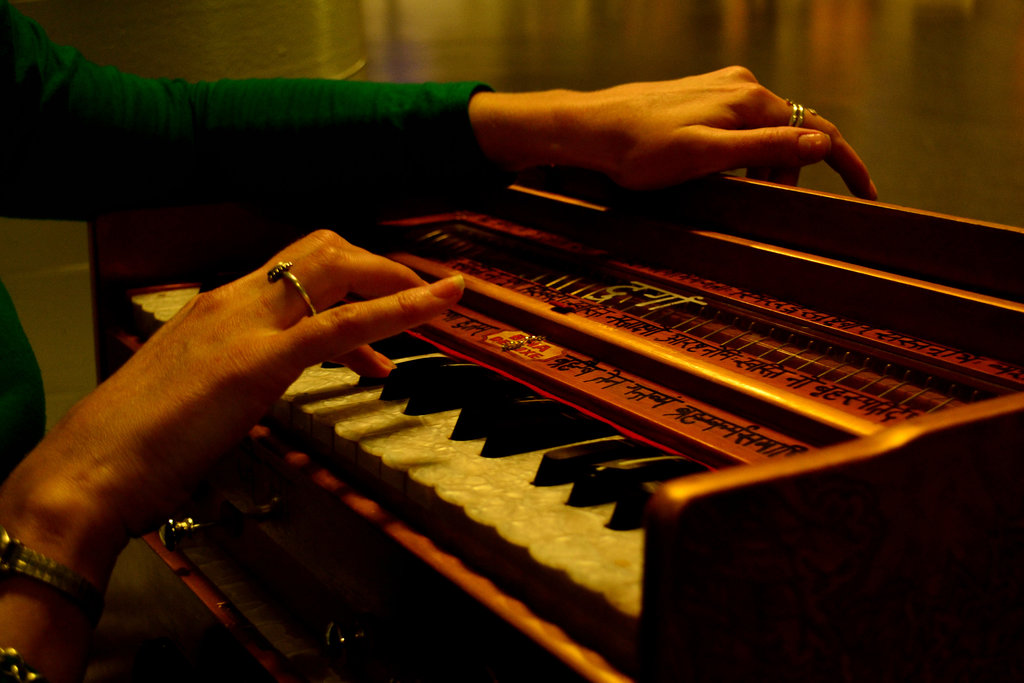

 Shehryar khawar