The Last Song

When the last song is sung, nothing is denied—not love, not guilt, not longing.

_______________

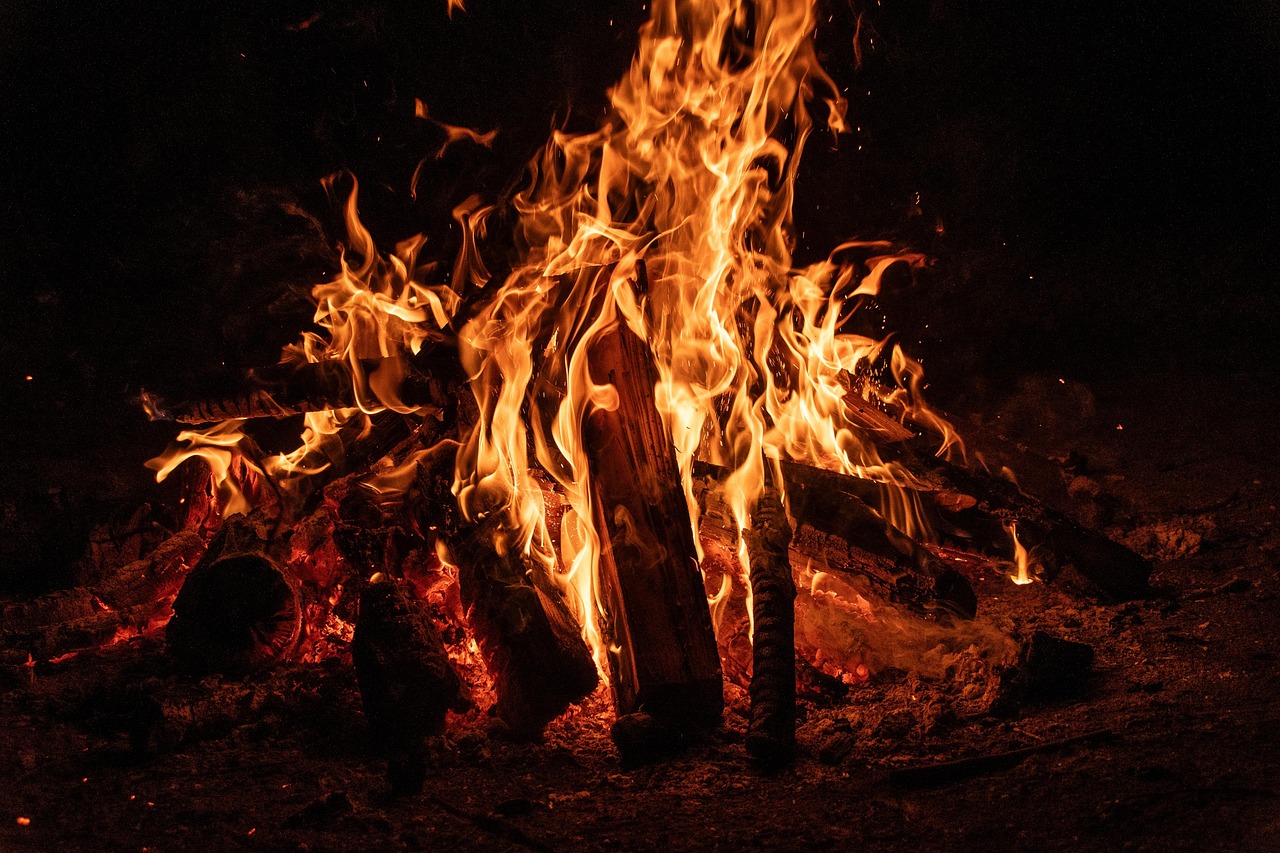
Come let us sit by this brightly burning fire;

let us forget all and everything, the good and the dire

Let the high flames defrost our frozen souls,

all the cold voids within and all the black holes

_______________

Come let us search for and grab our broken violins;

let us sing songs, and remember and repent our sins

Let the warmth of our company mend our broken hearts,

all the joys and regrets - together and in parts

_______________

Come let us lament, the fading memory of old love;

let us caress our nostalgia - the delicate, grey dove

Let the stories we tell mark our long and sad past,

let them cherish our tears, which dried up so fast

_______________

Come let us remember innocence, which was lost forever;

let us applaud corruption, the seduction was so very clever

Let us rethink all our deeds, so lofty and so dark,

let us not pass a harsh judgment, with a red mark

_______________

Come let us sit by this brightly burning fire;

let us blow it anew, the flames loftier and higher

Let us say farewell to everything, ambition, and desire;

warmly welcoming the end, the savior, and the pyre

Messiahs of the Broken Birds

“They called them messiahs of the broken birds—healers who could mend any wounded soul except their own.” A deeply touching poem about the unsung heroes who dedicate their lives to healing others—the counselors, caregivers, and compassionate souls who mend broken spirits only to face the inevitable loneliness when those they’ve helped move on.


Some said they came down from the grey hills,

with kind and smiling eyes and no other skills

Others called them children of the silent lake,

with a goodness so genuine and not at all fake


They nursed the ugly wounds and gaping holes,

their whispers, brought back to life, dead souls

Maybe there was old magic, lining their words,

they were truly the messiahs of the broken birds


They were no shamans, no charm but simple love,

broken themselves, more than a wounded dove

They shared with us only one common bond,

they cared for us with love and even beyond


No other mantra, hope was their one message,

optimism, the only ticket, to secure the passage

Life, as they saw, was unending ups and downs,

kindness, the only way to tread the grounds


They were prophets indeed, but prophets of loss,

their heart were all soft, covered in green moss

Their legacy was loneliness, night and day,

for in the end, their birds always flew away

The King Who Wears a Crown of Frost

Introduction

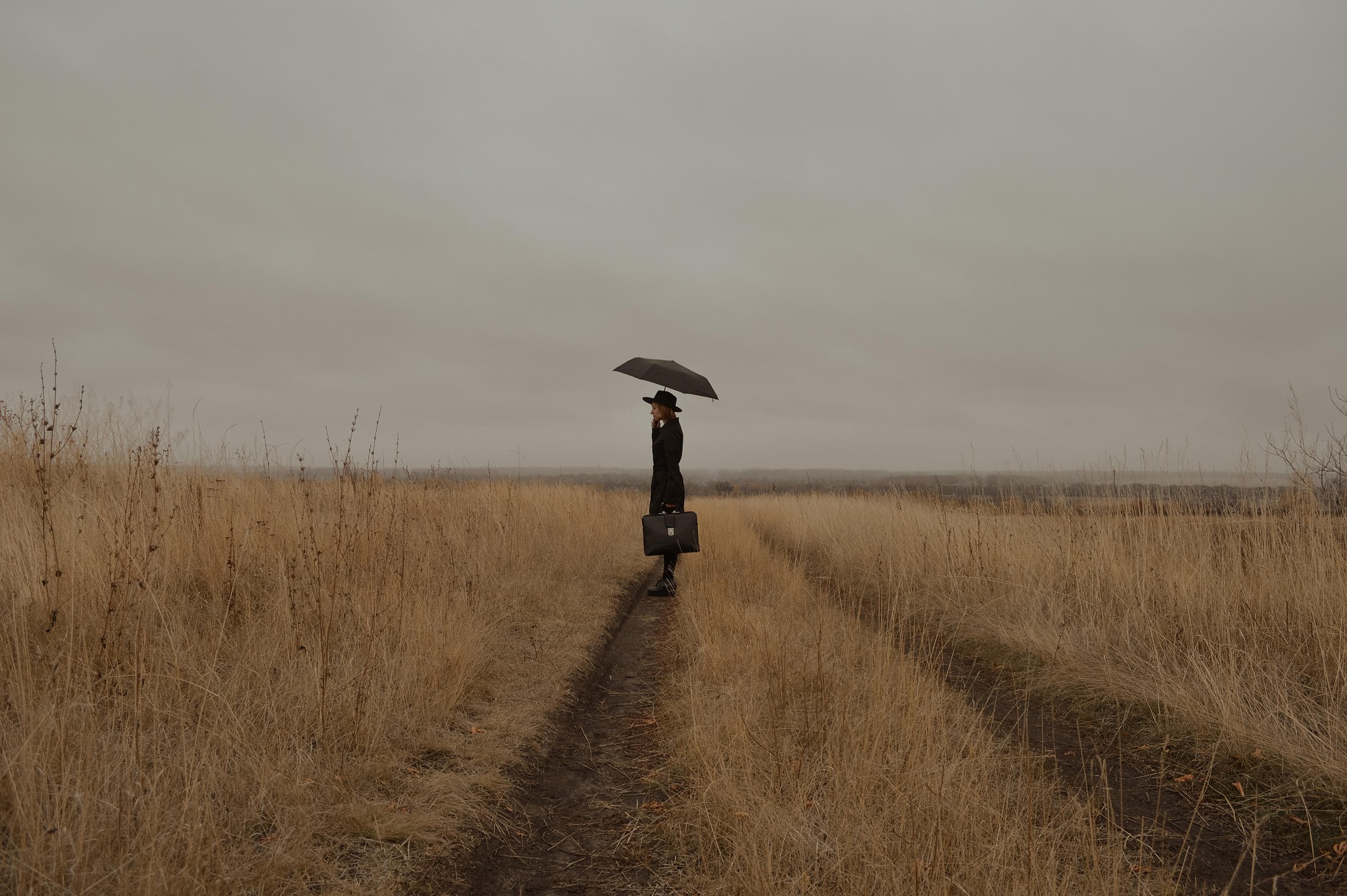
A haunting contemplative poem exploring the universal human experience of loss and its profound impact on our existence. Through vivid imagery of a mythical King who rules over all lost things from his frost-crowned throne, this introspective piece examines how loss shapes identity and the hidden wisdom that emerges from pain. The poem delves into existential questions about where lost loves, dreams, and parts of ourselves go, creating a powerful metaphor of an island kingdom built from collective human grief. A thought-provoking exploration of sorrow’s transformative power and the bitter fruit of understanding that grows from life’s inevitable losses.
_________________________________________________________________

So many things are lost, almost every day;

a child may lose a toy, or an adult, his heart

We may misplace ourselves if we go astray;

if our choices in love are not very smart

_________________________________________________________________

We lose what we love, what we hold dear;

we lose what we hate, what we so despise

No criteria - we may lose a smile or a tear;

we may lose our madness or what makes us wise

_________________________________________________________________

We lose so much; our lives are tainted by loss;

wretched beings with their backs all stooped

We lose so much, we are defined by our loss;

garlands of failure, our tragedies all looped

_________________________________________________________________

Where do all these lost things go, once gone?

This is the very thought that makes me curious

Do they cease to exist beyond their last dawn?

Do they become shadows, silent yet furious?

_________________________________________________________________

Perhaps there is a dark island, far, far away;

filled with deep sorrow, it is eternally cursed

A sea of knowledge, all silent and grey;

pulsing with regret, an unquenched thirst

_________________________________________________________________

On that island, there is a colossal hall of grief;

therein weeps a King, wearing his crown of frost

His legacy is so vast, and yet he fears no thief;

his, is the treasure of all that has ever been lost

_________________________________________________________________

He laments not the loss, yet his tears are true;

he mourns the tragedy of loss, dying in vain

Loss is a tree that bears fruit, if only we knew;

the fruit of wisdom, rotten and bitter with pain

The Collector of Dead Butterflies

‘Baba!’ My ten-year-old son pulled my hand, ‘Was it very difficult?’

‘Was what very difficult, my love?’ I asked, while smiling into his curious dark eyes.

‘Was it very difficult becoming your own father?’ He chose his words carefully.

Instead of answering his question, I looked afar. I looked towards the place where time and space ceased to have a meaning - the place where all was obscured under a slowly falling, golden dust. This is from where a few memories smiled back at me, while the others were wrapped in the grey shrouds of sadness. It was a magical place - a place where dead butterflies rested forever in the glass jar of nostalgia, but their colors remained immortal. I have always had this glass jar, tucked away safely within the folds of my heart. It is my most valuable asset and also a friend who keeps me company.

Continue reading

Katto, the Sad Squirrel (Revised)

Once upon a time, in a jungle far, far away, lived a tiny squirrel named Katto. She was a beautiful squirrel with a silver coat of fur, a long, graceful and bushy tail, and to top it all,  a charming, toothy smile. God had blessed Katto with a heart as lovely as her looks. It was large enough to shame even the heart of an African elephant.

But like all really beautiful things and beings in this world, Katto’s beauty was not perfect. A great flaw marked it as she was totally blind. A great misfortune indeed, but it made no difference to her. She was one happy squirrel, though unaware of her own beauty and charm. Katto lived within a comfy old crack in the trunk of the tallest Oak. This crack had always been her home. There was a bed made of the softest moss and ample storage space for the winter nuts.

Continue reading