‘Baba!’ My ten-year-old son pulled my hand, ‘Was it very difficult?’
‘Was what very difficult, my love?’ I asked, while smiling into his curious dark eyes.
‘Was it very difficult becoming your own father?’ He chose his words carefully.
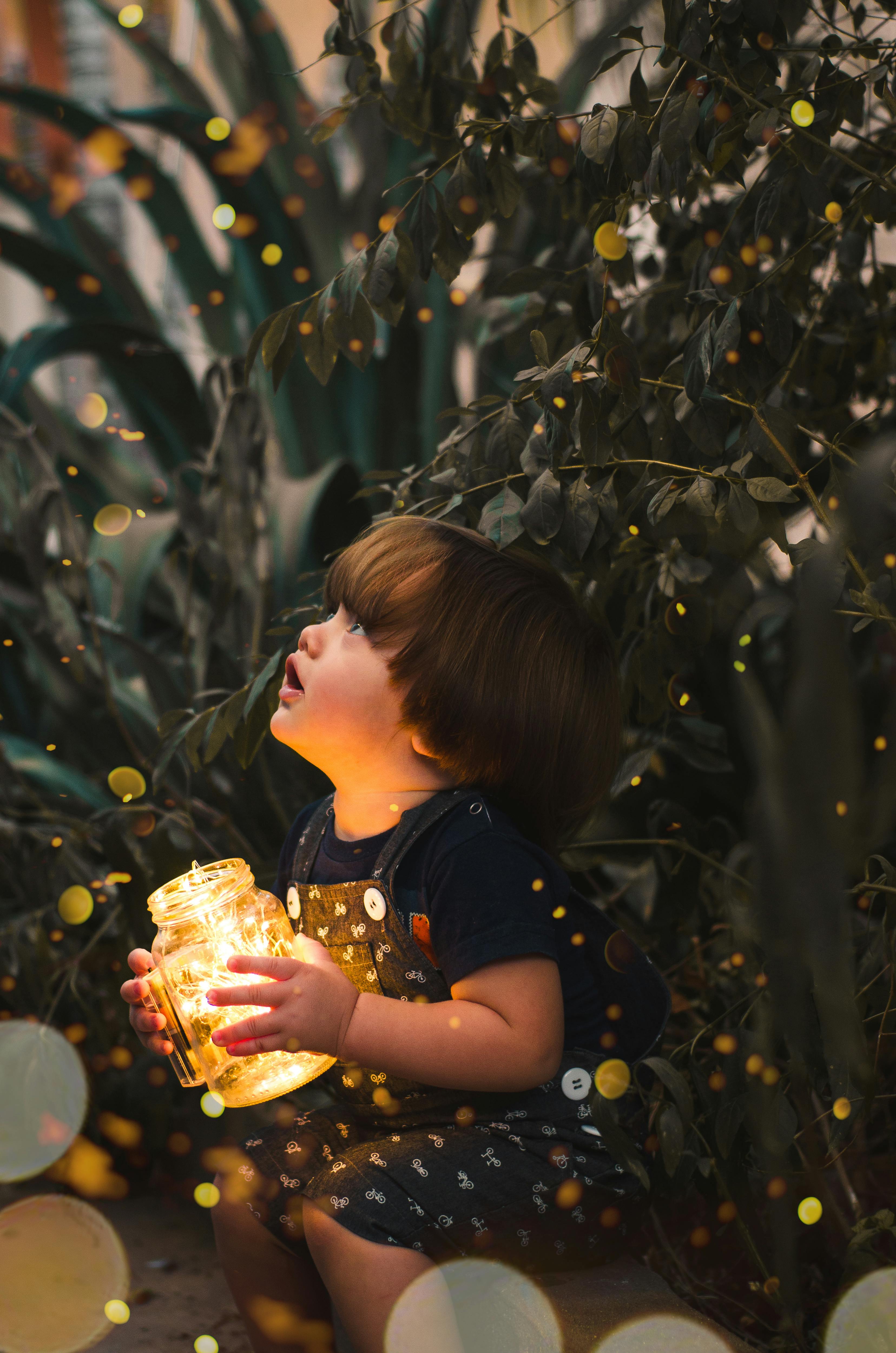
Instead of answering his question, I looked afar. I looked towards the place where time and space ceased to have a meaning - the place where all was obscured under a slowly falling, golden dust. This is from where a few memories smiled back at me, while the others were wrapped in the grey shrouds of sadness. It was a magical place - a place where dead butterflies rested forever in the glass jar of nostalgia, but their colors remained immortal. I have always had this glass jar, tucked away safely within the folds of my heart. It is my most valuable asset and also a friend who keeps me company.
There once was a little boy named Sebastian, who was fond of wandering and adventures. These wanderings and adventures were his ‘walkabout’. What is a ‘walkabout’? You may ask. That is indeed an interesting question.
It is said that once a child reaches puberty amongst the Australian aborigines, he or she is left free to roam the desert, preferably under the watchful eye of a tribal elder. The child wanders here and there and sees all. The sights become perceptions; the perceptions become observations; and the observations become learning once translated by the elder. As they grow older, the learning is applied to life, and the lessons become wisdom.
Though Sebastian was never left free to roam around, he loved doing it whenever he could. He loved the tall trees and the green mountains and the blue sky filled with the billowing summer clouds. He loved nature and all its wonderful smells.
وہ سردیوں کی ایک دھندلکی سپہر تھی اور میں اپنا کیمرہ کندھے پر لٹکائے اندرون شہر کی گنجان آباد گلیوں میں چکر لگا رہا تھا. بہت سے خوبصورت چہرے بھی نظر آئے؛ بہت حسین نقش و نگار والے دروازوں پر بھی نظر پڑی؛ کچھ مسکراہٹوں نے دل موہ لینے کی کوشش بھی کی؛ اور کچھ آنسوؤں نے قدم بھی تھامے. لیکن پتہ نہیں کیا بات تھی کہ میں اپنے کیمرے کا بٹن نہیں دبا سکا. دل پر عجیب اداسی چھائی ہوئی تھی
پھر موچی گیٹ کی بغل میں ایک نسبتاً تاریک اور تنگ سی گلی سے گزرتے ہوئے میری نظر اس بوڑھے کھلونا فروش پر پڑی. وہ ایک بند دروازے سے ٹیک لگائے نجانے کس گہری سوچ میں گم تھا
جس چیز نے مجھے زیادہ متوجوہ کیا وہ تھا اس بوڑھے کھلونا فروش کے پاس ہی دیوار سے ٹکا بانس سے بنا اسٹینڈ. ایک مرکزی عمودی بانس سے جڑے لکڑی کی کئ چھوٹی بڑی پھٹیاں تھیں جن سے پلاسٹک کے چھوٹے چھوٹے کھلونے لٹک رہے تھے
ایسے کھلونا فروش میں نے اپنے بچپن میں ہی دیکھے تھے. چھٹی والے دن اور خاص طور پر عید والے دنوں میں چکر لگاتے تھے. ان میں سے چاچا خیرو مجھے خوب یاد ہے جو مجھے پیار سے بیجو بابرا کہا کرتا تھا
.یہ تم ہر وقت کیا گنگناتے رہتے ہو کاکے؟’ ایک دن چاچا خیرو نے مجھ سے پوچھ ہی لیا’
مجھے دراصل بچپن ہی سے اپنے ہم عصروں سے مختلف نظر آنے کا شوق تھا. لہٰذا ان دنوں میں چھ سات سال کا ہونے کے باوجود کلاسیکی موسیقی میں دلچسپی لے رہا تھا
.جی راگ درگا چاچا جی.’ میں نے بے ساختہ جواب دیا تو وہ ایک دم ہنس پڑا’
‘راگ درگا؟ تم بچے ہو کہ بیجو بابرا؟’
اس دن سے میرا نام ہی چاچا خیرو نے بیجو بابرا رکھ دیا اور میں اس کا مستقل گاہک بن گیا. رنگ برنگی چیزیں ہوتی تھیں اس کے پاس. پلاسٹک کے باجے اور بانس کی پیپنیاں؛ ہلکی سی باریک باریک پہیوں والی چھوٹی چھوٹی گاڑیاں؛ سستی گڑیاں؛ پلاسٹک کے خوفناک ماسک؛ اور سفید سوتی ٹوپیاں جن کے ساتھ مصنوعی سفید داڑھی مونچھیں جڑی ہوتی تھیں. اب چاچا خیرو جیسے لوگ ڈھونڈنے سے بھی نظر نہیں آتے
میں ان کے پاس جا کر بیٹھ گیا
.چاچا جی؟’ میں نے ہلکے سے ان کو مخاطب کیا’
‘ہاں……کون؟’ انہوں نے آنکھیں کھول کر حیرانگی سے میری طرف دیکھا اور پھر مسکرا دیئے. ‘کہو بیٹے کیا چاہئے؟’
‘چاہئے تو کچھ نہیں….’ میں نے سر کھجاتے جواب دیا. ‘بس آپ پر نظر پڑی تو آپ سے بات کرنے کا دل کیا’
‘ضرور کرو بات بیٹے’
‘آپ کون ہیں چاچا جی؟’
.میں؟’ انہوں نے اپنے سینے کی طرف مسکرا کر انگلی سے اشارہ کیا’
‘میں ہوں اس شہر کا آخری خواب فروش’
.خواب فروش؟ آخری خواب فروش؟’ میں نے چونک کر پوچھا’
ہاں کھلونے خواب ہی تو ہوتے ہیں…چھوٹے چھوٹے معصوم اور رنگین خواب. میں یہ خواب بڑی محنت سے بنتا تھا اور پھر انہیں چاہنے والوں کے حوالے کر دیتا تھا
ان کی آنکھوں میں ایک عجیب سی یاسیت اتر آئ
.اب نا خواب دیکھنے والے رہے اور نا ان کھلونوں کو چاہنے والے.’ انہوں نے بےبسی سے ہاتھ ملتے ہوئے کہا’
‘جب خواب دیکھنے والے خواب ہی نا دیکھنا چاہیں، خوابوں میں یقین ہی نا رکھنا چاہیں تو ان کے رنگ بے معںی ہو جاتے ہیں’
.لیکن خواب تو ہمیشہ اہم ہی رہتے ہیں.’ میں نے حیرت سے پوچھا’
.یقین خواب کی روح ہوتی ہے بیٹے.’ چاچا جی نے میرے کندھے پر ہاتھ رکھ کر کہا’
‘یقین چلا جائے تو خوابوں کی کوئی اہمیت باقی نہیں رہتی’
ہم دونوں کچھ دیر خاموش بیٹھے رہے. وہ گلی بڑی عجیب تھی. جب سے میں آ کر وہاں بیٹھا تھا ویران پڑی تھی. دھوپ کا گزر غالباً بالکل ہی نہیں ہوتا تھا وہاں. اسلئے عجیب سبزی مائل پیلا سا رنگ تھا ماحول کا جیسے میں کسی پرانی تصویر کے اندر زندہ تھا اور سانس لے رہا تھا. پھر گلی کے بیچوں بیچ ایک نالی ضرور بہ رہی تھی لیکن بدبو کا دور دور تک کوئی شائبہ تک نہیں تھا. بلکہ میرے نتھنوں میں تو لکڑی کے فرنیچر کی، پنسلوں کی اور مہنگے ربڑوں کی خوشبو مہک رہی تھی. یوں لگتا تھا کہ میں پھر سے اپنے بچھڑے بچپن کے کسی ایک ثانیے میں سانس لے رہا تھا. رنگ بھی وہ ہی تھے اور خوشبویئں بھی وہ ہی، بس ماحول مختلف تھا
.یہ جادو کی چھڑی یاد ہے تمھیں؟’ چاچا جی نے ایک پلاسٹک کی چھڑی میری طرف بڑھاتے ہوئے پوچھا’
.نہیں.’ میں نے چھڑی دیکھ کر نفی میں سر ہلایا’
وہ سرخ رنگ کے پلاسٹک سے بنی تقریباً ایک فٹ لمبی چھڑی تھی جس کے ایک کونے پر چاندی رنگ کے پترے سے بنا پانچ کونوں والا ستارہ لگا ہوا تھا
.یاد کرو بیجو بابرا!’ چاچا جی نے مسکراتے ہوئے کہا’
‘جب تم چھوٹے تھے تو تمھیں یقین تھا کہ چھڑی کو اپنے ہاتھ میں پکڑ کر ہلانے سے تم کچھ بھی کر سکتے ہو’
.بیجو بابرا….؟’ میں بری طرح سے چونک گیا’
.گھبراؤ نہیں…’ بوڑھے خواب فروش نے میرا ہاتھ شفقت سے تھپتھپایا’
ہم خواب فروشوں کا اپنا قبیلہ ہے اور اس قبیلے کی یادیں اور خواب مشترک ہوتے ہیں. خیردین اور میں، ہم دونوں اسی قبیلے سے تعلق رکھتے ہیں
‘ہاں شاید …..’ میں نے سر جھٹکتے ہوئے کہا. ‘اس وقت مجھے یقین تھا کہ یہ جادو کی چھڑی ہے’
لیکن اب اس خواب میں تمھیں یقین نہیں ہے نا. لہٰذا اب نا خواب بننے کی ضرورت رہی نا بیچنے کی. اب مجھے چلے ہی جانا چاہئے
چاچا جی نے رندھی ہوئی آواز میں کہا تو میں بےچین ہوگیا
.نہیں چاچا جی، میں اب بھی خواب دیکھتا ہوں.’ میں نے ان کا ہاتھ پکڑتے ہوئے کہا’
مجھے اب بھی اپنے خوابوں میں یقین ہے. اور میرے خوابوں کی ابتداء انہی کھلونوں سے تو ہوئی تھی. اگر آپ نے خواب فروشی چھوڑ دی تو میری تو خوابوں کی اساس ہی ختم ہوجائے گی
مگر چاچا جی کا ہاتھ میری مٹھی سے ریت کی طرح بہ گیا. میں نے آنسو پونچھتے ہوئے ان کی طرف دیکھا مگر وہاں کوئی نہیں تھا
میں گھبرا کر اٹھ کھڑا ہوا. سامنے دو برقعہ پوش عورتیں کھڑی میری ہی طرف سہم کر دیکھ رہی تھیں. میں شرمندہ ہوا اور اپنے تخیّل کو کوستا کیمرہ اٹھانے کیلئے جھکا اور پھر ٹھٹھک کر رک گیا. وہاں جہاں تھوڑی دیر پہلے شہر کا آخری خواب فروش بیٹھا تھا، وہیں اسی جگہ، سرخ پلاسٹک کی جادو کی چھڑی پڑی میرا منہ چڑا رہی تھی
The ancient gods woke from stone to answer my questions about wolves and gypsies, then fell silent again—having shown me humanity’s unforgivable crimes.
A haunting narrative poem about encountering ancient stone gods atop the Bostan mountain, who come alive to share their grief over humanity’s destruction of wild freedom. Through smoking rings and shared sorrow, the gods reveal the fate of the great grey wolves—hunted to extinction—and the nomadic gypsies—persecuted until their music died forever.
I saw them once, the ancient gods,
majestic in stone, holding their golden rods
They were sitting atop the Bostan mountain,
laughing and drinking from an olden fountain
They were there, bathing in the golden light,
knitting random clouds - grey and stark white
I begged for attention, and their laughter froze,
they all looked down and beckoned me close
‘Come sit with us, child, let us smoke for a while,
for you have travelled far, a lonely prince in exile
Your face looks young, yet your eyes look old,
sparkling with a hunger for knowledge and not gold’
I sat with them and smoked for long,
I drank with them and rang their gong
Our rings of smoke danced and played games,
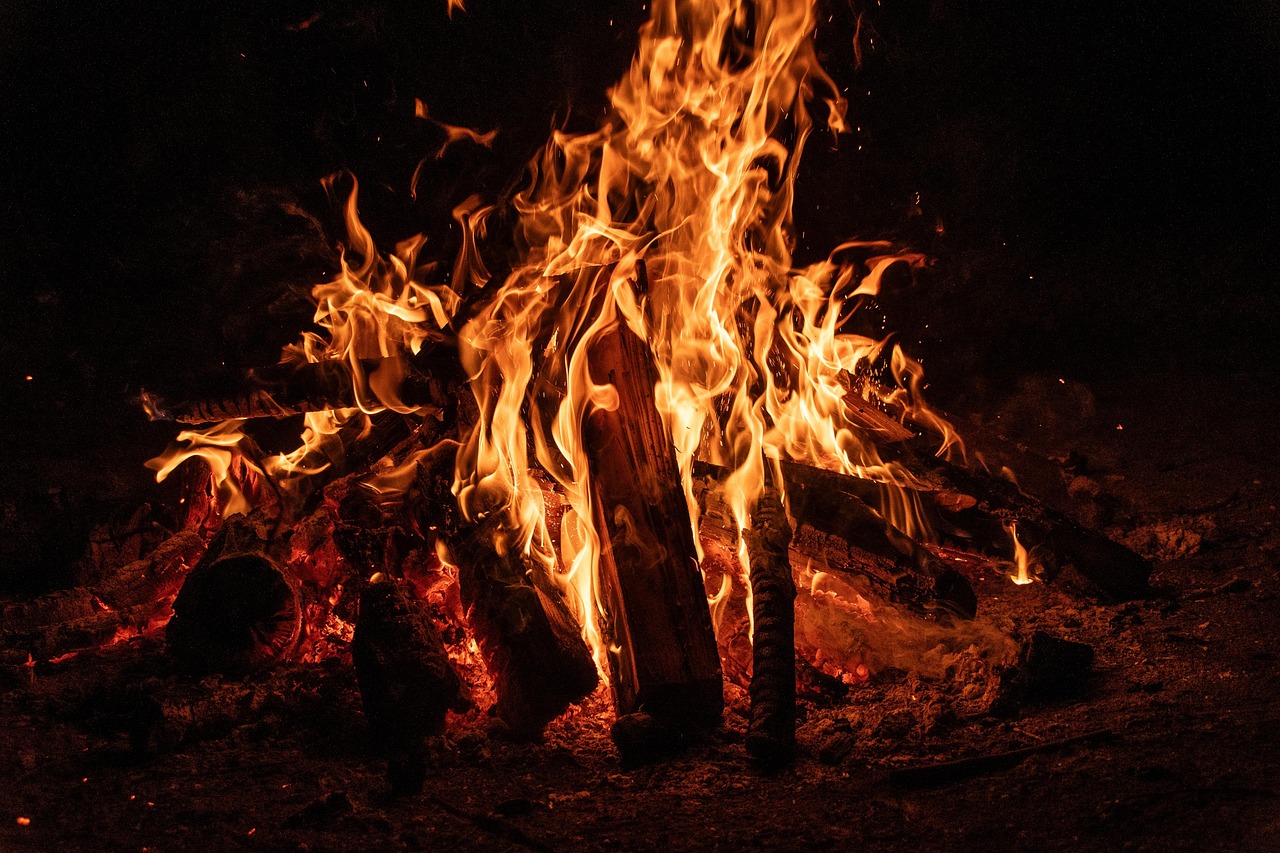
while a great fire burned, the wind stoking its flames
I loved their company and heard their tales,
I walked with them and traced their memory trails
‘Pray tell me, O gods–you are ancient and so old,
where are the wolves, the dwellers of dark and cold?
The wolves that howled, the wolves that reigned,
who loved their freedom and could never be chained?
One could smell their shaggy fur and see their burning eyes,
riding the northern winds, howling their haunting cries’
On hearing my question, the old gods grew all sad,
their mirth grew cold, and their eyes were no more glad
‘The great grey wolves, who were so grand and so bold,
whose stories were woven and were repeatedly told?
The wolves have long gone, their howls are silent forever,
they were hunted by your kind, so merciless and so clever’
We smoked some more and blew more rings,
and thought of death, the end of kings
We drank some more and drank our fill,
and thought of time, our hearts so still
Our sadness made us silent, and our silence ruled the day,
respecting all the dead wolves, our laughter held at bay
‘Pray tell me, O gods–so ancient and so wise,
where are the gypsies, with their wild, green eyes?
The ever-free gypsies, who roamed and ruled the plains,
and their powerful shamans, who could call the rains?
I can smell their fires and I can hear their harps,
their songs echoing loudly, rolling down the scarps’
On hearing my question, the old gods grew all silent,
their silence grew somber, and the wind turned violent
‘You ask of the gypsies, who once roamed the great plains,
with wings under their feet, they who hated all chains?
The gypsies have long gone, their music is dead forever,
persecuted by your kind, you have no tolerance whatsoever’
Hearing their accusing answers, seeing the real truth,
tears filled my eyes, and I forgot my own youth
‘If the gypsies have all left and the wolves have all gone,
why are you still here, with your faces sad and drawn?
If the howls are no more and the music is all dead,
why are you still here, with eyes filled with dread?’
The gods fell quiet, with their whispers all hushed,
I looked at them in farewell, my spirits all crushed
I intended to apologize, I wanted to seek forgiveness,
I wanted to just leave, ending all business
On the rich canvas of life, I saw my race, a stain,


 Shehryar khawar